Subtotal $0.00



Email : 46
Introduction
The workplace is changing faster than ever. Businesses are adopting automation, remote collaboration tools, and artificial intelligence to improve productivity and efficiency. In 2026, one of the most exciting developments in technology is the rise of autonomous AI agents.
Unlike traditional automation tools, autonomous AI agents can work independently. They can analyze data, make decisions, complete tasks, and even learn from experience. These systems are transforming how businesses operate by reducing repetitive work and improving decision-making.
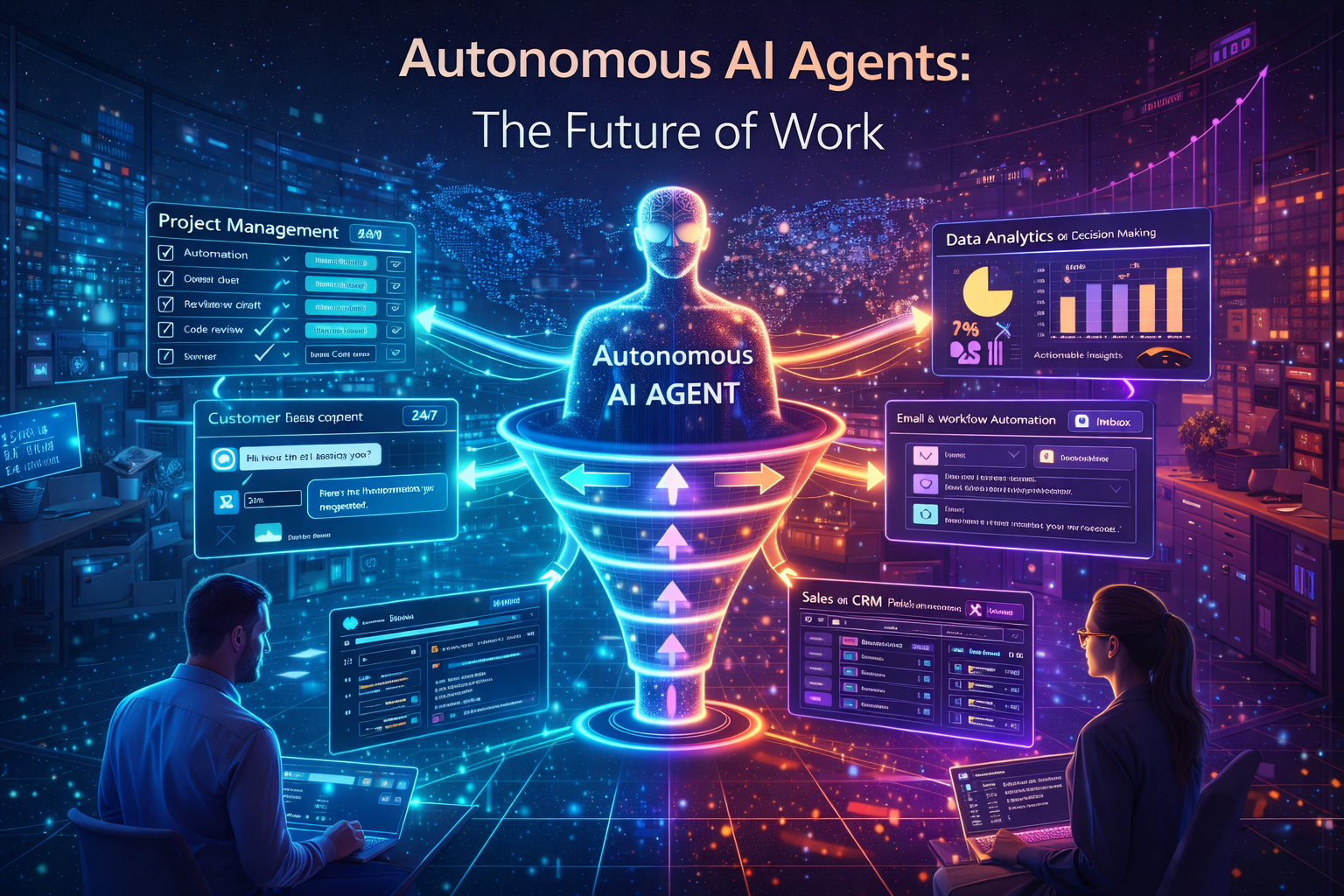
From startups to large corporations, organizations are exploring how autonomous AI agents can help teams work faster and smarter. Whether it is customer service, marketing, software development, or operations, AI agents are becoming digital co-workers that support human teams.
In this article, we will explore what autonomous AI agents are, how they work, their impact on jobs, real-world use cases, benefits, challenges, and what the future of work may look like with autonomous AI systems.
What Are Autonomous AI Agents?
Autonomous AI agents are intelligent software systems that can perform tasks with minimal human supervision.
They are capable of:
- Understanding goals
- Analyzing data
- Planning actions
- Executing tasks
- Learning from outcomes
These agents are powered by advanced AI technologies developed by companies such as:
- OpenAI
- Microsoft
Unlike simple bots, autonomous AI agents can interact with multiple systems and adapt to changing environments.
How Autonomous AI Agents Work
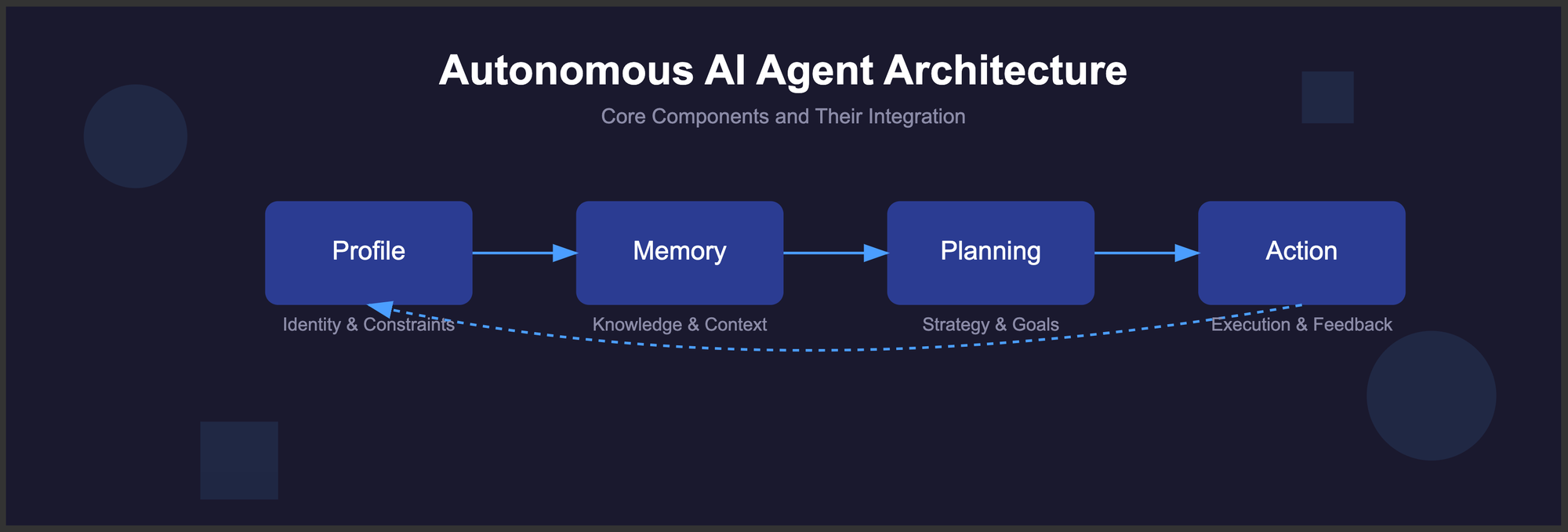

1. Perception (Understanding Input)
The agent collects information from:
- Databases
- Sensors
- APIs
- Emails
- Chat messages
This helps the AI understand the current situation.
2. Reasoning and Decision Making
The AI analyzes the data and determines the best action to take.
It may evaluate multiple options before choosing the most effective solution.
3. Planning
After deciding what to do, the AI creates a step-by-step plan to achieve the goal.
For example:
- Identify customer need
- Generate proposal
- Send email response
4. Action
The AI executes tasks by interacting with software tools such as:
- CRM platforms
- Marketing systems
- Financial software
- Project management tools
5. Learning
Autonomous AI agents improve over time by analyzing results and adjusting their strategies.
Real-World Applications of Autonomous AI Agents
Autonomous AI agents are already being used across many industries.
1. Customer Support
AI agents answer questions, resolve issues, and escalate complex cases.
They provide instant responses 24/7.
2. Marketing Automation
AI can:
- Create marketing campaigns
- Analyze audience behavior
- Optimize advertising budgets
3. Sales Operations
AI agents:
- Qualify leads
- Send follow-ups
- Schedule meetings
- Update CRM systems
4. Software Development
AI agents assist developers by:
- Writing code
- Debugging programs
- Testing software
5. Business Operations
AI agents manage:
- Data analysis
- Workflow automation
- Reporting and forecasting
Benefits of Autonomous AI Agents
Autonomous AI agents offer many advantages.
1. Increased Productivity
AI agents complete repetitive tasks quickly and efficiently.
2. 24/7 Availability
Unlike human workers, AI agents can operate continuously without breaks.
3. Cost Efficiency
Businesses can reduce operational costs by automating routine work.
4. Faster Decision-Making
AI analyzes large datasets and provides insights instantly.
5. Scalability
Companies can deploy multiple AI agents to handle growing workloads.
Challenges and Risks
While autonomous AI agents offer many benefits, there are also challenges.
1. Ethical Concerns
AI decision-making must be transparent and fair.
2. Job Displacement
Some repetitive jobs may be replaced by automation.
However, new roles will emerge in AI management and development.
3. Data Security
AI systems require access to sensitive data, which must be protected.
4. Overdependence on Automation
Businesses should maintain human oversight for critical decisions.
How Autonomous AI Agents Will Change Jobs
The future workplace will likely include collaboration between humans and AI agents.
Human workers will focus on:
- Creative problem-solving
- Strategic planning
- Relationship building
- Leadership
AI agents will handle:
- Data analysis
- Routine tasks
- Process automation
This partnership will create more efficient workplaces.
Industries Most Affected by Autonomous AI
Some industries will experience faster adoption.
These include:
- Technology
- Finance
- Healthcare
- E-commerce
- Digital marketing
- Logistics
Businesses in these sectors are already investing heavily in AI automation.
Future Trends in Autonomous AI
The future may include:
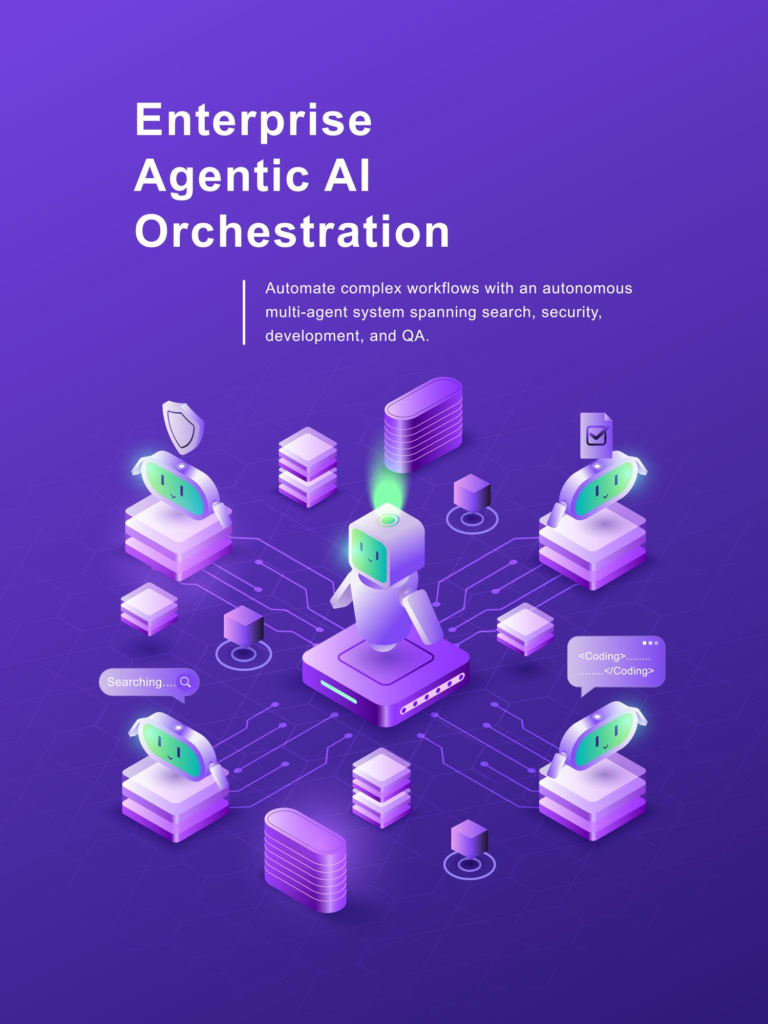
- Multi-agent collaboration systems
- AI-powered digital employees
- Autonomous research assistants
- AI-driven decision platforms
- Voice-controlled AI work assistants
These innovations will reshape how organizations operate.
Preparing for the Future of Work
Businesses and professionals should start preparing now.
Key steps include:
- Learning AI tools
- Adopting automation strategies
- Upskilling employees
- Creating AI governance policies
Companies that adapt early will gain a competitive advantage.
Frequently Asked Questions (FAQs)
1. What are autonomous AI agents?
Autonomous AI agents are intelligent systems that perform tasks independently with minimal human supervision.
2. How are they different from chatbots?
Chatbots follow predefined scripts, while autonomous AI agents can plan, reason, and take actions.
3. Will AI replace human jobs?
AI may automate repetitive work, but it will also create new job opportunities.
4. Are autonomous AI agents safe?
Yes, when implemented with proper security and oversight.
5. Which industries benefit most from AI agents?
Technology, finance, healthcare, and digital businesses benefit significantly.
Conclusion
Autonomous AI agents are rapidly transforming the future of work. By automating repetitive tasks and assisting with decision-making, these intelligent systems help organizations operate more efficiently and innovate faster.
While challenges exist, the potential benefits are enormous. Businesses that adopt AI responsibly and integrate it with human talent will be better positioned for the future.
Rather than replacing humans, autonomous AI agents are likely to become powerful partners that help people achieve more in the workplace.
Read More Blog–AI Business Idea Validator