Subtotal $0.00



Email : 9
Introduction
Artificial Intelligence is evolving very fast, and one of the biggest innovations in recent years is AI agents. Unlike simple chatbots, AI agents can plan tasks, make decisions, use tools, and even collaborate with other agents to complete complex work automatically. Businesses, startups, developers, and entrepreneurs are now using AI agents for automation, research, marketing, coding, customer support, and many other tasks.
But here is the challenge. There are many AI agent frameworks available today such as LangChain, CrewAI, AutoGen, LangGraph, and Semantic Kernel. Each framework has different features, strengths, and use cases. Because of this, choosing the right framework becomes confusing.
If you choose the wrong framework, your project may become slow, expensive, or difficult to scale.
In this detailed guide, we will compare the most popular AI agent frameworks, explain their features, advantages, disadvantages, and use cases. By the end of this article, you will clearly understand which AI agent framework is best for your needs.


What Are AI Agent Frameworks?
Before comparing frameworks, it is important to understand what an AI agent framework actually means.
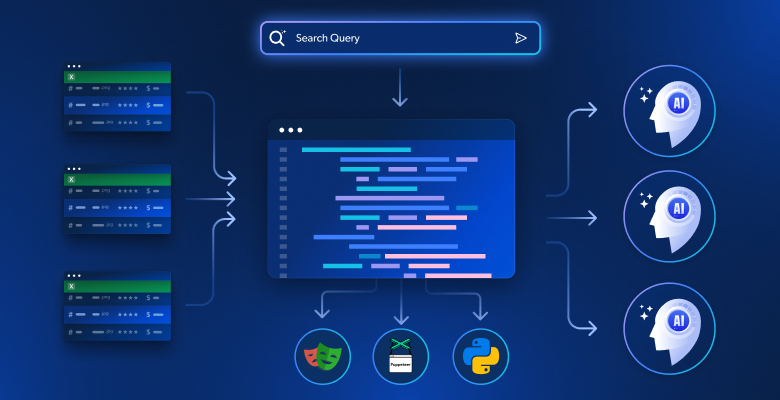
AI agent frameworks are software platforms or toolkits that help developers build intelligent AI agents quickly. These frameworks provide ready-made tools, libraries, and components that simplify the process of creating autonomous AI systems.
Instead of building everything from scratch, developers can use these frameworks to create agents that can:
- Understand natural language
- Plan tasks automatically
- Interact with APIs and tools
- Learn from data
- Work with other AI agents
- Automate complex workflows
These frameworks act as a foundation for building intelligent automation systems.
Why AI Agent Frameworks Are Important
Many people ask why frameworks are needed when we already have AI models like GPT, Claude, or Gemini.
The reason is simple.
AI models only generate responses, but AI agents must perform actions and solve tasks.
AI agent frameworks provide the structure required to build such systems.
Before understanding their benefits, let us look at the main reasons why developers use them.
1. Faster Development
Developers do not need to write complex code from scratch.
Frameworks already provide:
- agent architecture
- memory systems
- tool integrations
- workflow management
This reduces development time.
2. Automation of Complex Tasks
AI agents can perform multiple steps automatically.
For example:
- researching data
- writing content
- analyzing results
- making decisions
Frameworks help manage these multi-step processes.
3. Tool Integration
AI agents can connect with:
- APIs
- databases
- search engines
- third-party apps
This allows agents to work like digital employees.
4. Multi-Agent Collaboration
Some frameworks allow multiple agents to work together.
For example:
- one agent researches
- another writes
- another reviews
This creates a team of AI agents working together.
5. Scalability
Frameworks help scale AI systems from small projects to enterprise-level automation.
Key Components of an AI Agent Framework
Understanding the components of AI agent frameworks will help you understand the comparison later.
1. Planning System
AI agents must decide what steps are required to complete a task.
Frameworks provide planning systems that allow agents to break tasks into smaller steps.
2. Memory
Agents need memory to remember past conversations and results.
Memory can include:
- short-term memory
- long-term memory
- vector database storage
3. Tool Usage
Agents must interact with tools.
Examples include:
- Google search
- APIs
- code execution
- databases
4. Reasoning Engine
AI agents must analyze problems and decide what to do next.
Frameworks provide reasoning systems to enable this.
5. Workflow Management
Frameworks organize how tasks move from one step to another.
Top AI Agent Frameworks Compared
Now we will compare the most popular AI agent frameworks used in 2025 and 2026.
These frameworks are widely used in startups, enterprises, and research projects.
The most popular frameworks include:
- LangChain
- LangGraph
- CrewAI
- AutoGen
- Semantic Kernel
- LlamaIndex
Many developers compare these frameworks when building AI agents.
1. LangChain
Overview
LangChain is one of the most popular frameworks for building AI applications and AI agents.
It allows developers to connect large language models with tools, data sources, and workflows.
LangChain became popular because it simplifies building AI-powered applications quickly.
Key Features
LangChain provides many features that make it powerful.
Some of the main features include:
- modular architecture
- tool integrations
- memory systems
- prompt templates
- agent workflows
- RAG (Retrieval-Augmented Generation)
LangChain is often used to build chatbots, automation systems, and knowledge assistants.
Advantages
Before choosing LangChain, it is important to understand its advantages.
The major benefits include:
- large developer community
- strong documentation
- many integrations
- flexible architecture
- supports many LLM providers
Disadvantages
Even though LangChain is powerful, it also has some limitations.
Some challenges include:
- complex architecture for beginners
- frequent updates that change APIs
- performance issues in large workflows
Best Use Cases
LangChain works best for:
- AI chatbots
- RAG applications
- research assistants
- workflow automation
- AI-powered applications
2. LangGraph
Overview
LangGraph is an advanced framework built by the creators of LangChain.
It focuses specifically on AI agents and complex workflows.
LangGraph uses graph-based workflows where each node represents an action.
Many companies use LangGraph to build production-level AI agents.
Key Features
LangGraph provides several advanced features.
Important capabilities include:
- graph-based workflow design
- advanced agent reasoning
- better state management
- multi-step automation
- improved reliability
Advantages
The strengths of LangGraph include:
- powerful workflow control
- ideal for complex systems
- scalable architecture
- production-ready design
Disadvantages
Despite its benefits, LangGraph also has limitations.
Some drawbacks include:
- requires technical expertise
- harder for beginners
- limited tutorials compared to LangChain
Best Use Cases
LangGraph is ideal for:
- enterprise AI agents
- complex automation
- multi-step decision systems
- research systems
3. CrewAI
Overview
CrewAI is one of the fastest-growing frameworks for building multi-agent systems.
Instead of building one AI agent, CrewAI focuses on creating a team of AI agents working together.
Each agent can have a specific role such as researcher, writer, or planner.
CrewAI simplifies collaboration between agents and workflows.
Key Features
CrewAI provides several unique capabilities.
The main features include:
- multi-agent collaboration
- role-based agents
- task distribution
- workflow orchestration
- easy prototyping
Advantages
CrewAI is becoming popular because it is simple and effective.
The advantages include:
- beginner-friendly
- easy to set up
- fast prototyping
- collaborative AI agents
Disadvantages
CrewAI still has some limitations.
These include:
- smaller ecosystem compared to LangChain
- fewer integrations
- less customization
Best Use Cases
CrewAI works best for:
- marketing automation
- AI content teams
- research automation
- startup prototypes
4. AutoGen
Overview
AutoGen is a framework created by Microsoft for building multi-agent AI systems.
It allows AI agents to communicate with each other to solve tasks collaboratively.
Agents can also interact with humans during workflows.
AutoGen focuses heavily on conversation-based agent collaboration.
Key Features
AutoGen includes several advanced features.
Important features include:
- multi-agent communication
- human-in-the-loop workflows
- event-driven architecture
- tool integrations
- flexible agent interactions
Advantages
AutoGen offers several benefits.
These include:
- powerful multi-agent systems
- flexible design
- strong research backing
- integration with LLMs and APIs
Disadvantages
Some limitations include:
- complex setup
- requires programming knowledge
- evolving framework
Best Use Cases
AutoGen works well for:
- research assistants
- coding agents
- AI collaboration systems
- advanced automation
5. Semantic Kernel
Overview
Semantic Kernel is an open-source framework developed by Microsoft for building enterprise AI applications.
It integrates AI models with traditional programming languages and enterprise systems.
The framework focuses on reliability, scalability, and enterprise integrations.
Semantic Kernel includes many enterprise-level features.
Key Features
Some of the main features include:
- built-in memory
- plugin architecture
- enterprise integrations
- AI orchestration tools
It also works well with Microsoft technologies and cloud services.
Advantages
The strengths of Semantic Kernel include:
- enterprise-grade architecture
- Microsoft ecosystem integration
- flexible AI orchestration
- reusable components
Disadvantages
Some drawbacks include:
- learning curve
- less community support compared to LangChain
- complex configuration
Best Use Cases
Semantic Kernel is best for:
- enterprise automation
- business AI applications
- enterprise AI assistants
6. LlamaIndex
Overview
LlamaIndex started as a data indexing framework but later evolved into a powerful AI agent framework.
It specializes in connecting AI agents with large datasets.
Key Features
The framework includes:
- strong data connectors
- document indexing
- retrieval systems
- RAG workflows
LlamaIndex is particularly strong in knowledge-based systems.
Advantages
Benefits include:
- excellent data integration
- strong RAG support
- flexible architecture
Disadvantages
Limitations include:
- limited workflow control
- requires technical knowledge
Best Use Cases
LlamaIndex is ideal for:
- knowledge assistants
- enterprise data search
- document AI systems
AI Agent Frameworks Comparison Table
Below is a simple comparison of the major frameworks.
| Framework | Best For | Difficulty | Multi-Agent Support |
|---|---|---|---|
| LangChain | General AI apps | Medium | Limited |
| LangGraph | Complex workflows | Advanced | Yes |
| CrewAI | Multi-agent teams | Easy | Yes |
| AutoGen | Research automation | Advanced | Strong |
| Semantic Kernel | Enterprise AI | Medium | Yes |
| LlamaIndex | Data-heavy apps | Medium | Limited |
How to Choose the Right AI Agent Framework
Choosing the right framework depends on your goals, technical skills, and project requirements.
Below are some important factors to consider.
1. Your Technical Skills
If you are a beginner, choose frameworks that are easier to use.
Good beginner options include:
- CrewAI
- LangChain
2. Project Complexity
For simple projects:
- LangChain works well
For complex multi-agent systems:
- LangGraph
- AutoGen
3. Enterprise Needs
If your project is for a large company environment, choose frameworks designed for enterprise systems.
Good choices include:
- Semantic Kernel
- LangGraph
4. Data Integration Needs
If your AI system needs to analyze large datasets, choose frameworks designed for data-heavy applications.
A good example is:
- LlamaIndex
5. Multi-Agent Systems
If your project requires multiple AI agents working together, choose frameworks that support collaboration.
Examples include:
- CrewAI
- AutoGen
Real-World Use Cases of AI Agent Frameworks
AI agent frameworks are used across many industries.
Some important use cases include the following.
1. Customer Support Automation
AI agents can automatically respond to customer queries and resolve issues.
2. Research Assistants
Agents can gather data, summarize information, and generate reports.
3. Marketing Automation
AI agents can manage:
- social media
- SEO content
- lead generation
4. Software Development
Coding agents can write, review, and debug code automatically.
5. Business Process Automation
AI agents can automate repetitive tasks in businesses.
Future of AI Agent Frameworks
The future of AI agents is extremely exciting.
Experts expect AI agents to become a major part of digital infrastructure.
Key trends include:
- autonomous AI workers
- AI business automation
- AI agent marketplaces
- collaborative AI teams
Many companies are already deploying AI agents for productivity and decision-making.
Conclusion
AI agents are transforming how businesses and developers automate work. But building powerful AI agents requires the right foundation, and that is where AI agent frameworks play a crucial role.
Different frameworks offer different strengths.
LangChain is flexible and beginner-friendly. LangGraph is powerful for complex systems. CrewAI makes multi-agent collaboration easy. AutoGen excels in conversational multi-agent automation, while Semantic Kernel is designed for enterprise applications.
There is no single framework that is perfect for every situation. The best framework depends on your project goals, technical expertise, and scalability needs.
By understanding the differences between these frameworks, you can make a smarter decision and build more powerful, scalable, and intelligent AI systems.
Read More Blog-Best Platforms to Build AI Agents in 2026
FAQs
1. What is an AI agent framework?
An AI agent framework is a software platform that helps developers build intelligent AI agents capable of performing tasks, making decisions, and interacting with tools.
2. Which is the best AI agent framework?
There is no single best framework. LangChain is popular for beginners, CrewAI is good for multi-agent systems, and Semantic Kernel is suitable for enterprise applications.
3. Is LangChain an AI agent framework?
Yes. LangChain is one of the most widely used frameworks for building AI-powered applications and agents.
4. What is the difference between AI agents and chatbots?
Chatbots mainly respond to messages, while AI agents can plan tasks, use tools, and perform actions autonomously.
5. Can beginners build AI agents?
Yes. Frameworks like CrewAI and LangChain make it easier for beginners to start building AI agents.