Subtotal $0.00




Email : 5
Introduction
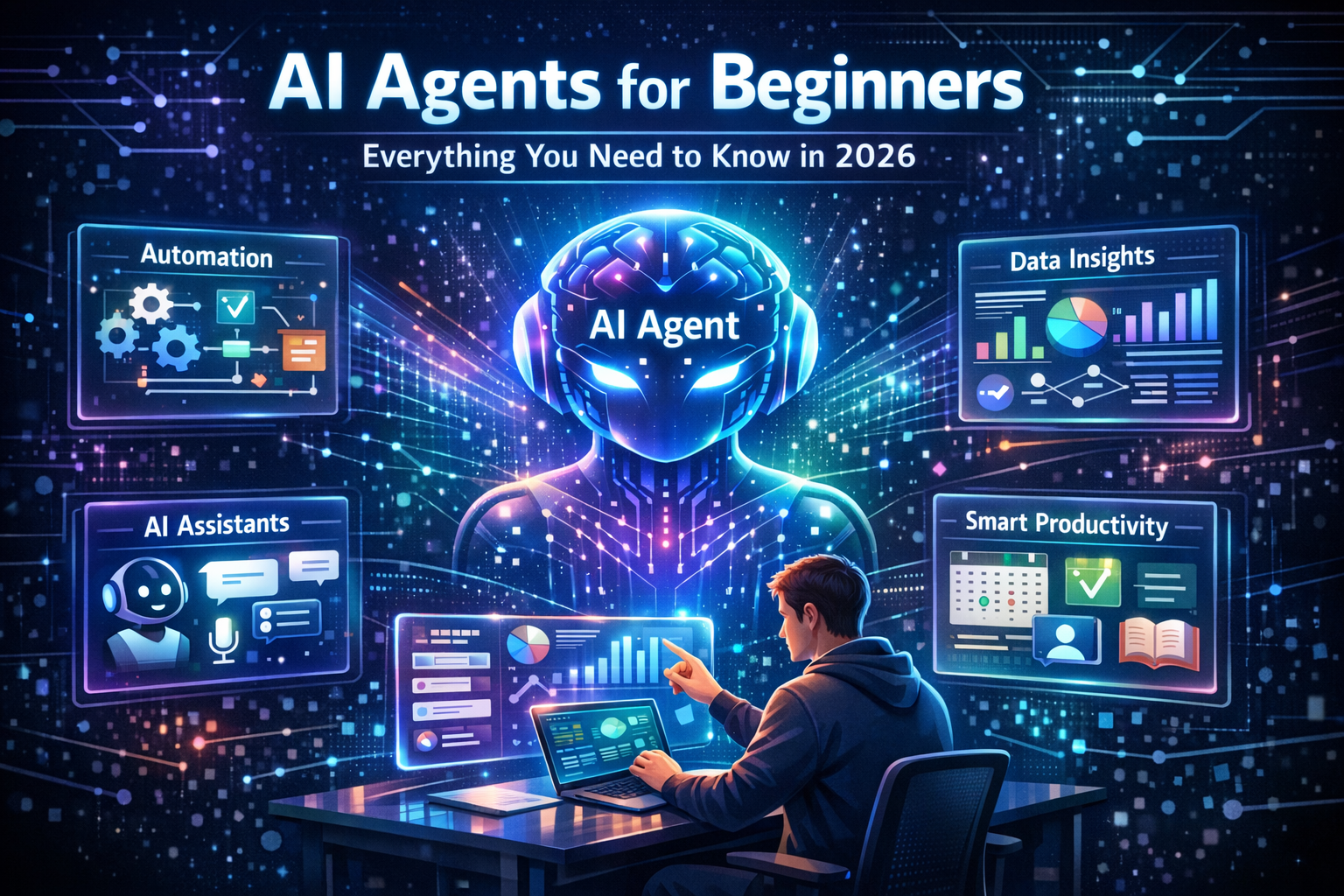
Artificial intelligence is changing the world rapidly, and one of the most exciting developments is the rise of AI agents. These intelligent systems are designed to perform tasks automatically, assist users, and even make decisions based on data. From managing emails and answering customer questions to analyzing information and automating business workflows, AI agents are becoming powerful tools for individuals and organizations.
In 2026, AI agents are expected to become even more common in everyday life. Businesses, startups, freelancers, and professionals are increasingly using AI agents to improve productivity and reduce manual work.
However, many beginners still find the concept confusing. What exactly are AI agents? How do they work? And how can beginners start using them?
In this complete guide, we will explain AI agents for beginners, how they work, their benefits, common use cases, and how anyone can start using AI agents effectively.


What Are AI Agents?
Before learning how to use AI agents, it is important to understand what they are.
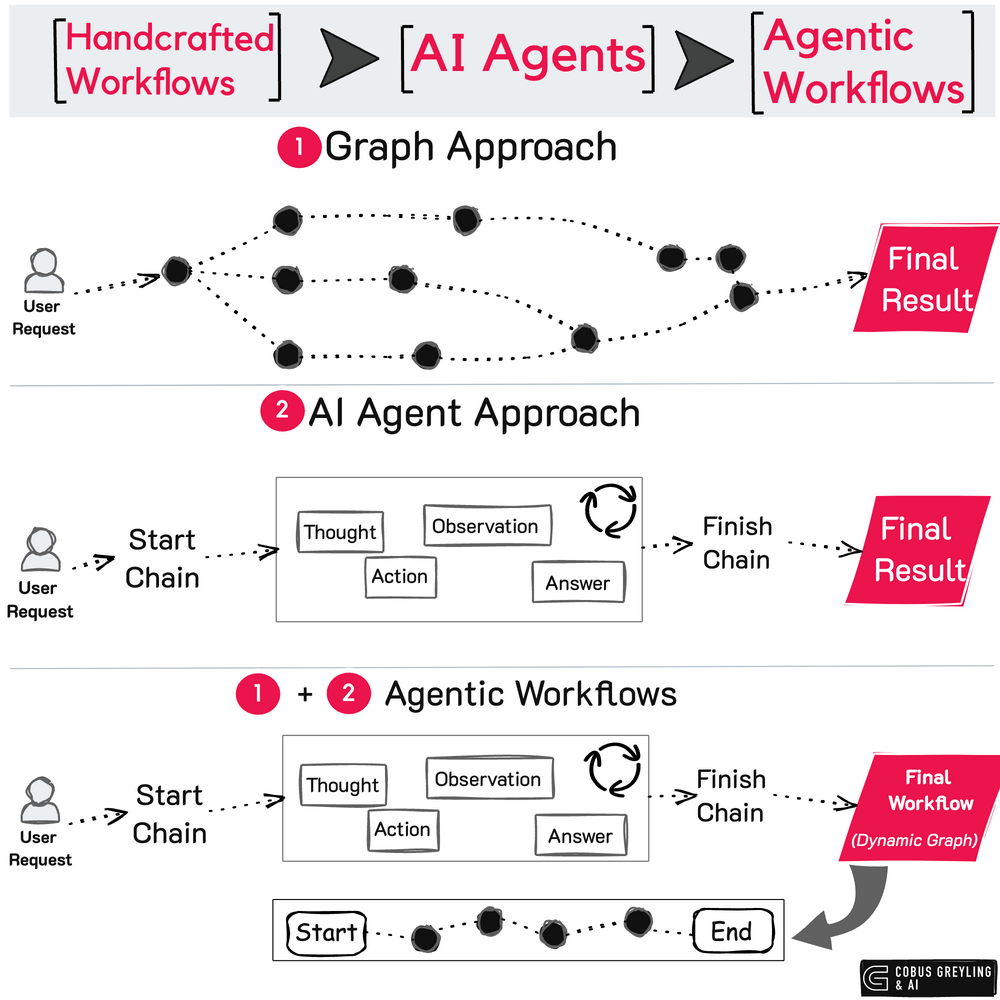
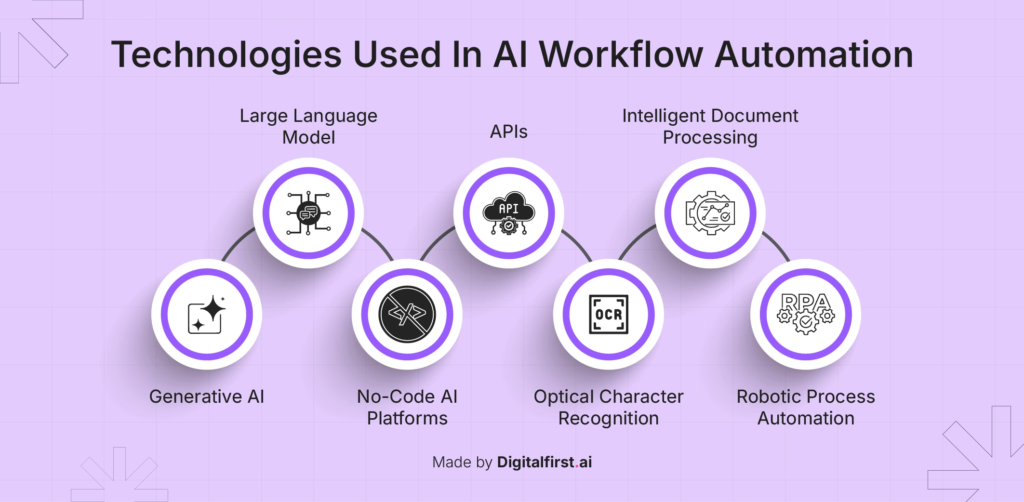
AI agents are intelligent software programs that can perform tasks automatically using artificial intelligence technologies such as machine learning, natural language processing, and data analysis.
Unlike traditional software, AI agents can:
- understand user instructions
- analyze information
- make decisions
- complete tasks without constant supervision
These abilities make AI agents more advanced than simple automation tools.
For example, instead of just following fixed instructions, an AI agent can analyze a situation and decide what action to take next.
How AI Agents Work
To understand AI agents better, it is helpful to look at how they operate.
AI agents usually follow a structured process that allows them to perform tasks efficiently.
Input Processing
AI agents receive input from users or systems.
This input may include:
- text instructions
- voice commands
- data from databases
- information from websites
The AI agent analyzes the input to understand what needs to be done.
Decision Making
After analyzing the input, the AI agent decides what action to take.
This decision is based on:
- training data
- predefined rules
- AI models
Task Execution
Once the decision is made, the AI agent performs the required task.
Examples include:
- sending emails
- generating reports
- answering questions
- updating databases
Learning and Improvement
Some AI agents improve over time by learning from new data and interactions.
This allows them to become more accurate and efficient.
Why AI Agents Are Important in 2026
AI agents are becoming essential tools for businesses and individuals.
Several factors are driving their rapid adoption.
Growing Demand for Automation
Businesses want to automate repetitive tasks.
AI agents allow organizations to reduce manual work and improve efficiency.
Increased Data Availability
Companies collect large amounts of data.
AI agents help analyze this data and generate insights.
Advancements in AI Technology
Recent improvements in artificial intelligence models have made AI agents more capable and reliable.
Need for Productivity Tools
Professionals want tools that help them work faster and smarter.
AI agents provide powerful productivity support.
Types of AI Agents
AI agents come in different forms depending on their functionality and complexity.
Understanding these types helps beginners choose the right tools.
1. Simple AI Agents
Simple AI agents perform specific tasks based on predefined rules.
Examples include:
- basic chatbots
- automated email responders
- simple recommendation systems
These agents are easy to build and use.
2. Learning AI Agents
Learning AI agents can improve their performance by analyzing past data.
Examples include:
- recommendation systems
- predictive analytics tools
- customer behavior analysis systems
These agents adapt over time.
3. Autonomous AI Agents
Autonomous AI agents can perform complex tasks with minimal human involvement.
They may:
- plan workflows
- gather information
- make decisions
These agents are becoming increasingly popular in modern businesses.
Common Uses of AI Agents
AI agents are used in many industries and applications.
Below are some common ways AI agents are used.
1. Customer Support
AI chatbots can answer customer questions instantly.
They can handle tasks such as:
- answering FAQs
- guiding customers through processes
- resolving basic issues
This reduces the workload for human support teams.
2. Marketing Automation
AI agents can help businesses manage marketing campaigns.
Examples include:
- generating content ideas
- scheduling social media posts
- analyzing marketing performance
3. Data Analysis
AI agents can analyze large datasets and identify patterns.
This helps businesses make better decisions.
4. Personal Productivity
Individuals can use AI agents as digital assistants.
Examples include:
- managing schedules
- organizing information
- generating reports
Benefits of AI Agents
AI agents provide several advantages for both businesses and individuals.
Increased Efficiency
AI agents perform tasks quickly and accurately.
Reduced Manual Work
Automation reduces the need for repetitive tasks.
Better Decision Making
AI agents analyze data and provide insights.
Improved Customer Experience
AI-powered systems provide faster and more personalized support.
Challenges of AI Agents
Despite their benefits, AI agents also present challenges.
Understanding these challenges helps users adopt AI responsibly.
Data Privacy Concerns
AI agents often process sensitive information.
Businesses must ensure proper data protection.
Ethical Considerations
AI systems must be designed to avoid bias and unfair outcomes.
Technical Complexity
Some advanced AI systems require technical knowledge to implement.
How Beginners Can Start Using AI Agents
Beginners can start using AI agents by following several simple steps.
Step 1: Identify Tasks That Can Be Automated
Look for tasks that are repetitive and time-consuming.
Examples include:
- responding to emails
- managing data
- generating reports
Step 2: Choose the Right AI Tools
Many platforms provide AI agent tools.
Beginners should choose tools that match their needs.
Step 3: Start with Simple Automation
Begin with small automation tasks before implementing complex systems.
Step 4: Learn and Improve
As users become more familiar with AI tools, they can explore more advanced applications.
The Future of AI Agents
AI agents will continue to evolve rapidly.
Future developments may include:
- more autonomous AI systems
- advanced decision-making capabilities
- deeper integration with everyday applications
- collaborative AI agents working together
These advancements will make AI agents even more useful in daily life.
Conclusion
AI agents are becoming powerful tools that help businesses and individuals automate tasks, analyze data, and improve productivity. In 2026, these intelligent systems are expected to play an even larger role in everyday work and digital environments.
For beginners, understanding how AI agents work and how they can be used is an important step toward leveraging the benefits of artificial intelligence.
By starting with simple tools and gradually exploring more advanced systems, anyone can take advantage of AI technology.
As AI continues to evolve, those who learn to use AI agents effectively will gain a significant advantage in productivity and innovation.
Read More Blog–Best Platforms to Build AI Agents in 2026
FAQs
1. What are AI agents?
AI agents are intelligent software systems that can perform tasks automatically using artificial intelligence technologies.
2. Are AI agents difficult to use?
Many AI tools are designed for beginners and do not require advanced technical knowledge.
3. What can AI agents do?
AI agents can automate tasks such as customer support, marketing automation, data analysis, and productivity management.
4. Are AI agents expensive?
Some AI tools are free or affordable, while advanced systems may require paid subscriptions.
5. Will AI agents replace human workers?
AI agents mainly automate repetitive tasks and assist humans rather than completely replacing them.