Subtotal $0.00




Email : 15
Introduction
Artificial Intelligence is changing the way businesses and developers build software. One of the biggest innovations in recent years is the rise of AI agents. AI agents are intelligent systems that can perform tasks automatically, make decisions, interact with users, and work with other software tools. In 2026, companies are using AI agents to automate customer support, generate leads, manage workflows, analyze data, and improve productivity.
However, building AI agents from scratch can be difficult. Developers need tools that help manage memory, reasoning, automation, integrations, and workflows. This is why AI agent platforms are becoming very important. These platforms provide frameworks and tools that simplify the process of building powerful AI agents.
In this article, you will learn about the best platforms to build AI agents in 2026, their features, advantages, and use cases. This guide will help developers, startups, and businesses choose the right platform to build intelligent AI systems.
What Are AI Agents?
Before exploring the platforms, it is important to understand what AI agents are.
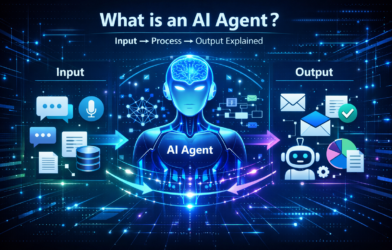
AI agents are intelligent software programs that can analyze data, make decisions, and perform tasks automatically. Unlike traditional software, AI agents can learn from information and improve over time.
AI agents are widely used in industries such as:
The use of AI agents is increasing because they can automate many business processes.
Common uses of AI agents include:
- customer support automation
- lead generation
- marketing automation
- workflow management
- data analysis
- software development assistance
Because of these capabilities, many companies are investing in AI agent technology.
What Are AI Agent Platforms?
AI agent platforms are tools or frameworks that help developers build AI agents easily.
Instead of coding every feature from scratch, these platforms provide ready-made components that simplify development.
These platforms typically include features such as:
- AI model integration
- workflow automation tools
- memory and context management
- API integrations
- multi-agent collaboration systems
Using AI agent platforms allows developers to create complex AI applications faster.
Why AI Agent Platforms Are Important in 2026
AI technology is evolving very quickly. Businesses need automation systems that are powerful and scalable.
AI agent platforms help solve many challenges in development.
These platforms provide advantages such as:
- faster AI development
- easier integration with existing systems
- improved scalability
- better automation capabilities
Because of these benefits, AI agent platforms are becoming essential tools for developers and organizations.
Key Features of AI Agent Platforms
When choosing a platform to build AI agents, it is important to understand the key features that these platforms offer.
Different platforms provide different capabilities, so selecting the right one depends on the project requirements.
Important features include:
Before listing them, it is important to understand that these features allow AI agents to function intelligently and automate tasks effectively.
Important features include:
- AI model integration
- tool and API connections
- memory management systems
- workflow automation tools
- multi-agent collaboration capabilities
- scalability and deployment options
These features allow developers to build advanced AI applications.
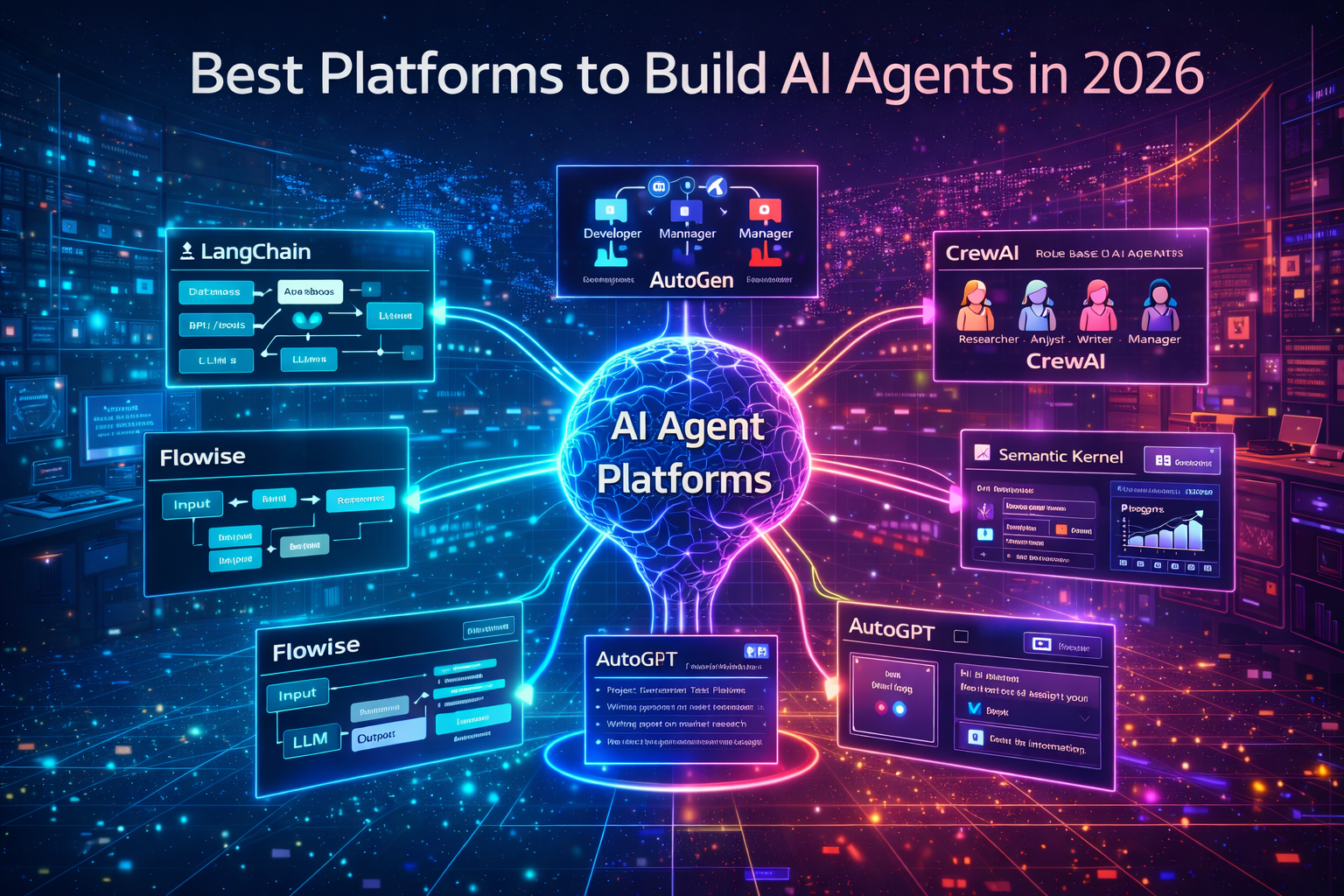
Best Platforms to Build AI Agents in 2026
Now let us explore the most popular platforms used for building AI agents in 2026.
1. LangChain

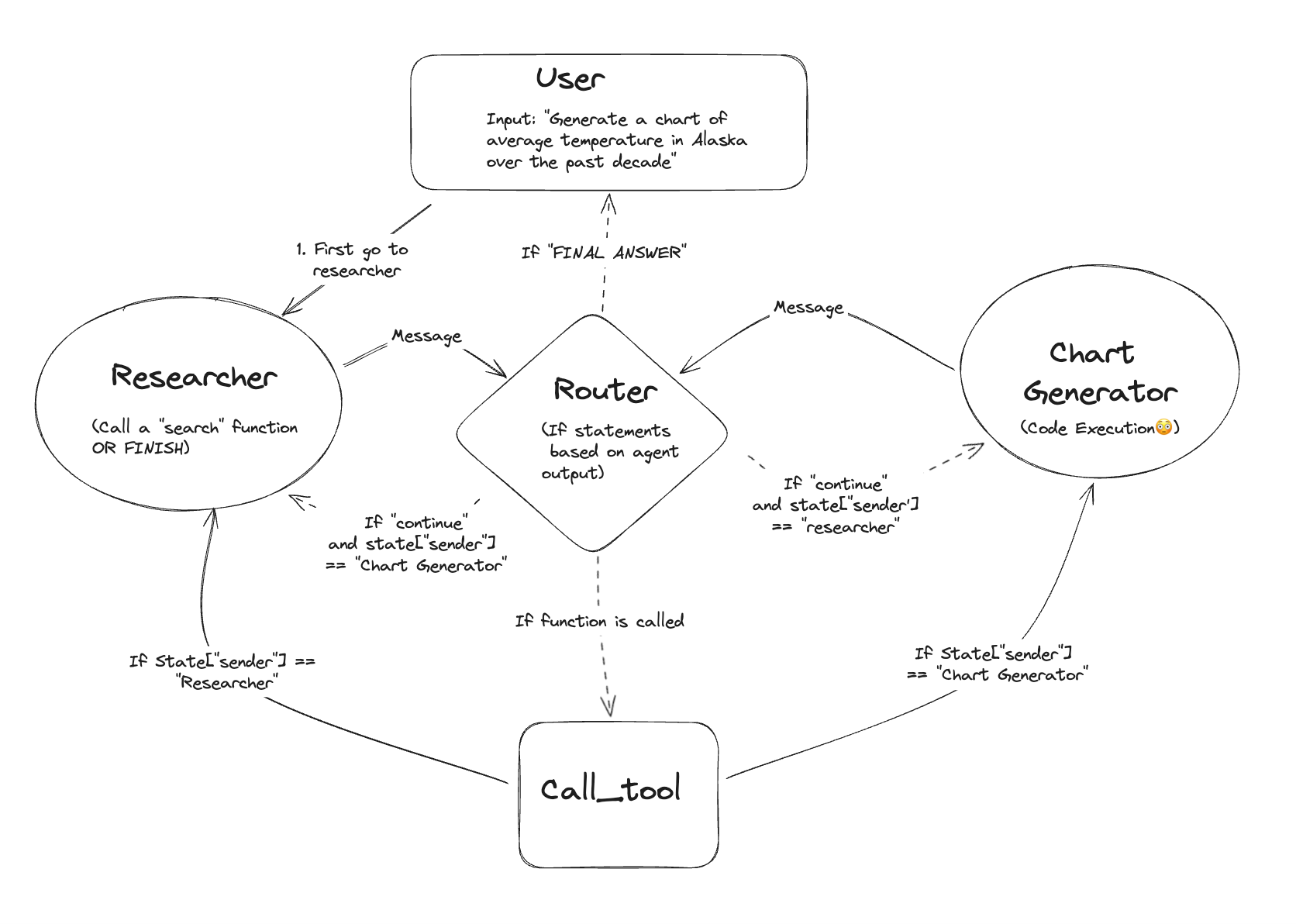

LangChain is one of the most popular frameworks used for building AI agents.
It is designed to connect large language models with external data sources and software tools.
This platform allows developers to create powerful AI applications that require reasoning and automation.
Key features of LangChain include:
Before listing the features, it is important to understand that LangChain provides a flexible architecture that supports complex AI workflows.
Features include:
- integration with large language models
- support for retrieval-augmented generation
- memory and context management
- API and database integrations
- agent workflow orchestration
Because of these capabilities, LangChain is widely used by startups and developers.
Use cases include:
- AI research assistants
- knowledge base systems
- business automation tools
- customer support agents
2. Microsoft AutoGen
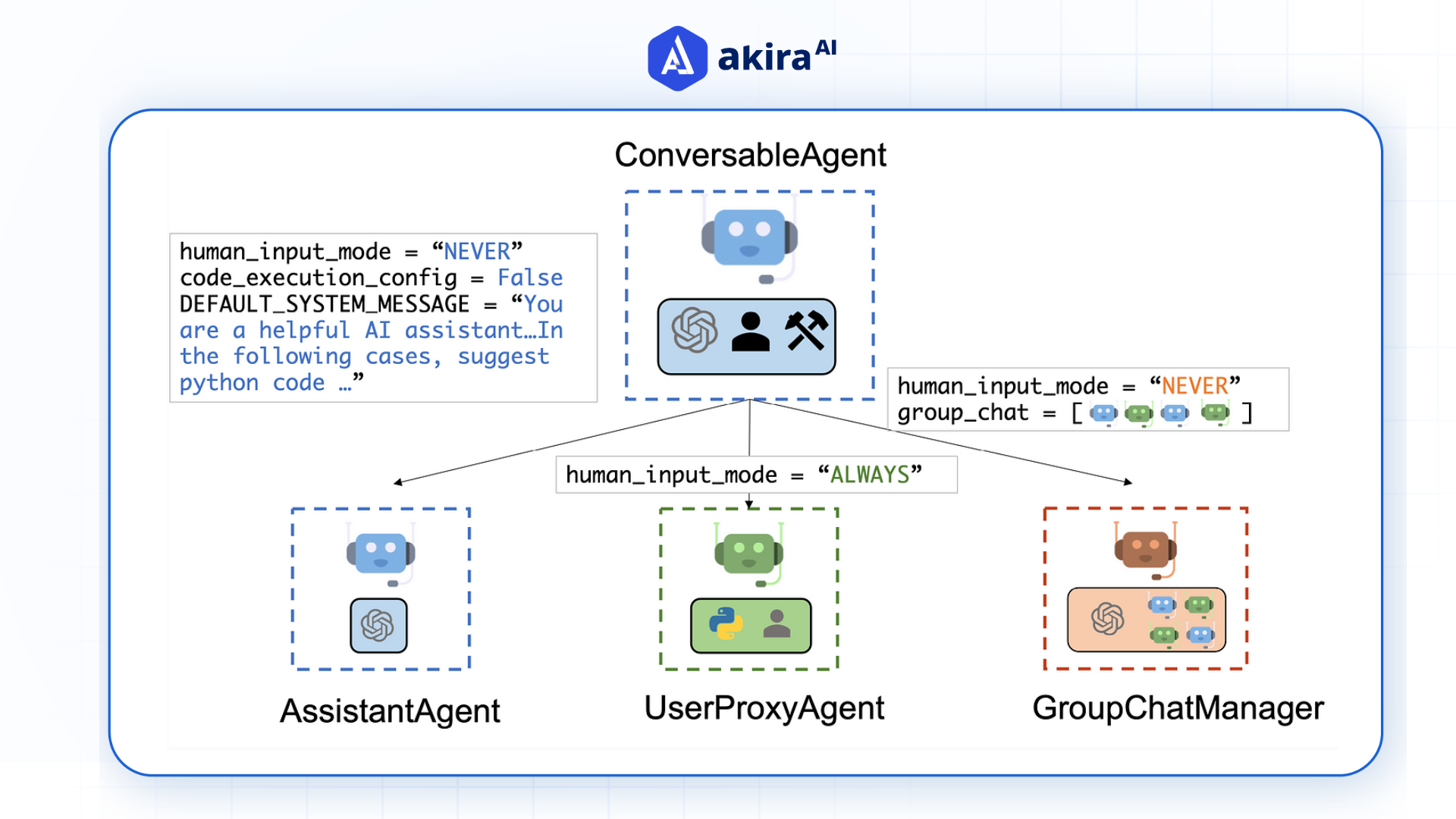
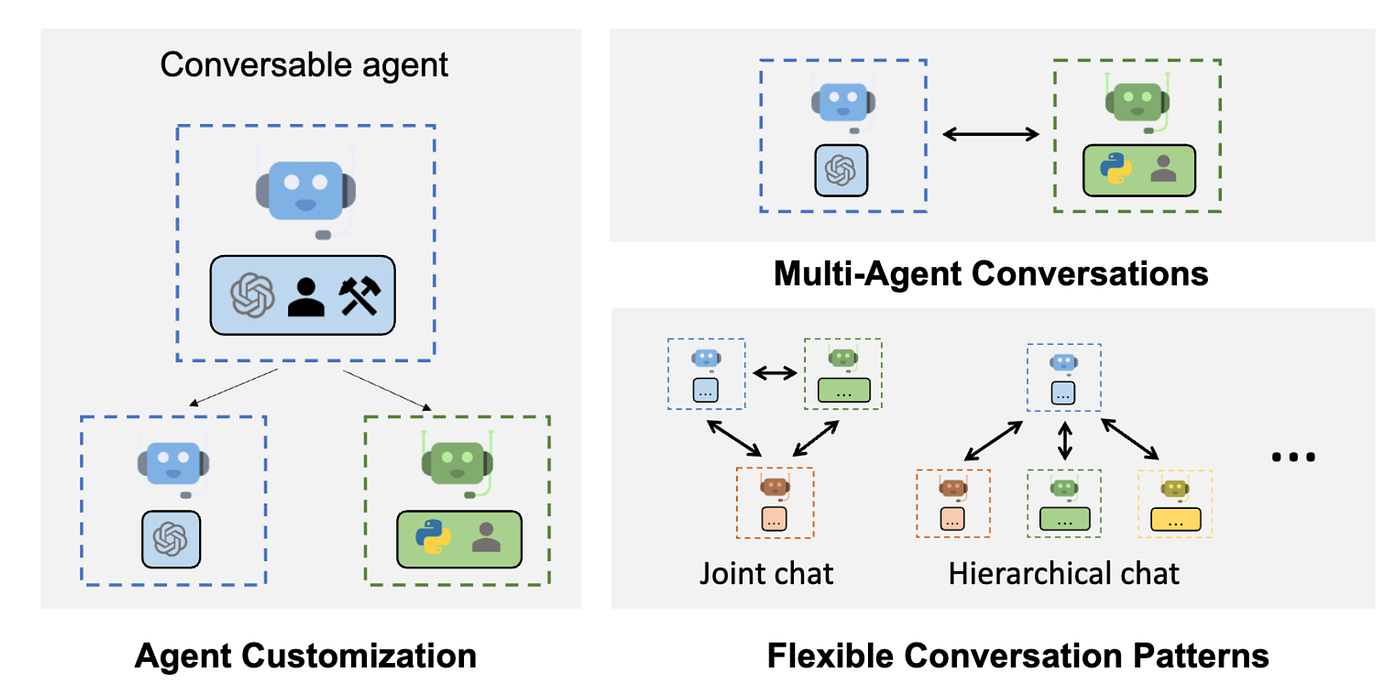
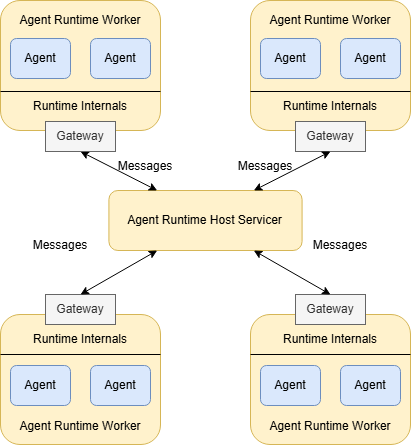
Another powerful platform for building AI agents is Microsoft AutoGen.
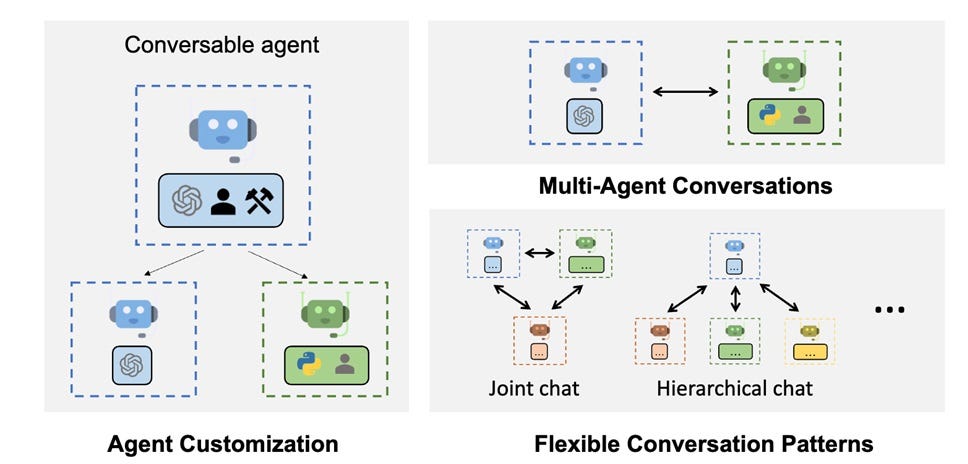
This platform focuses on multi-agent systems where multiple AI agents collaborate to complete tasks.
Instead of using a single AI system, AutoGen allows multiple agents to communicate and work together.
Important features include:
Before listing the features, it is important to understand that AutoGen enables collaborative AI systems.
Features include:
- multi-agent communication
- collaborative task solving
- advanced reasoning systems
- integration with tools and APIs
These features make AutoGen ideal for complex projects.
Common use cases include:
- AI research systems
- enterprise automation platforms
- software development assistants
3. CrewAI
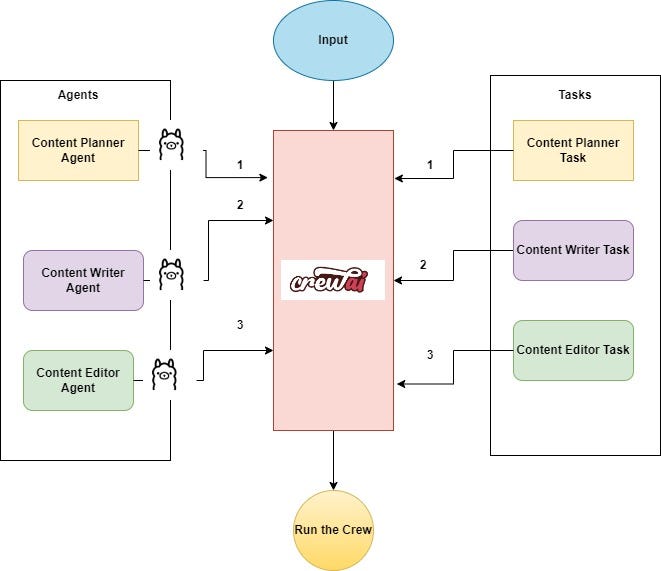
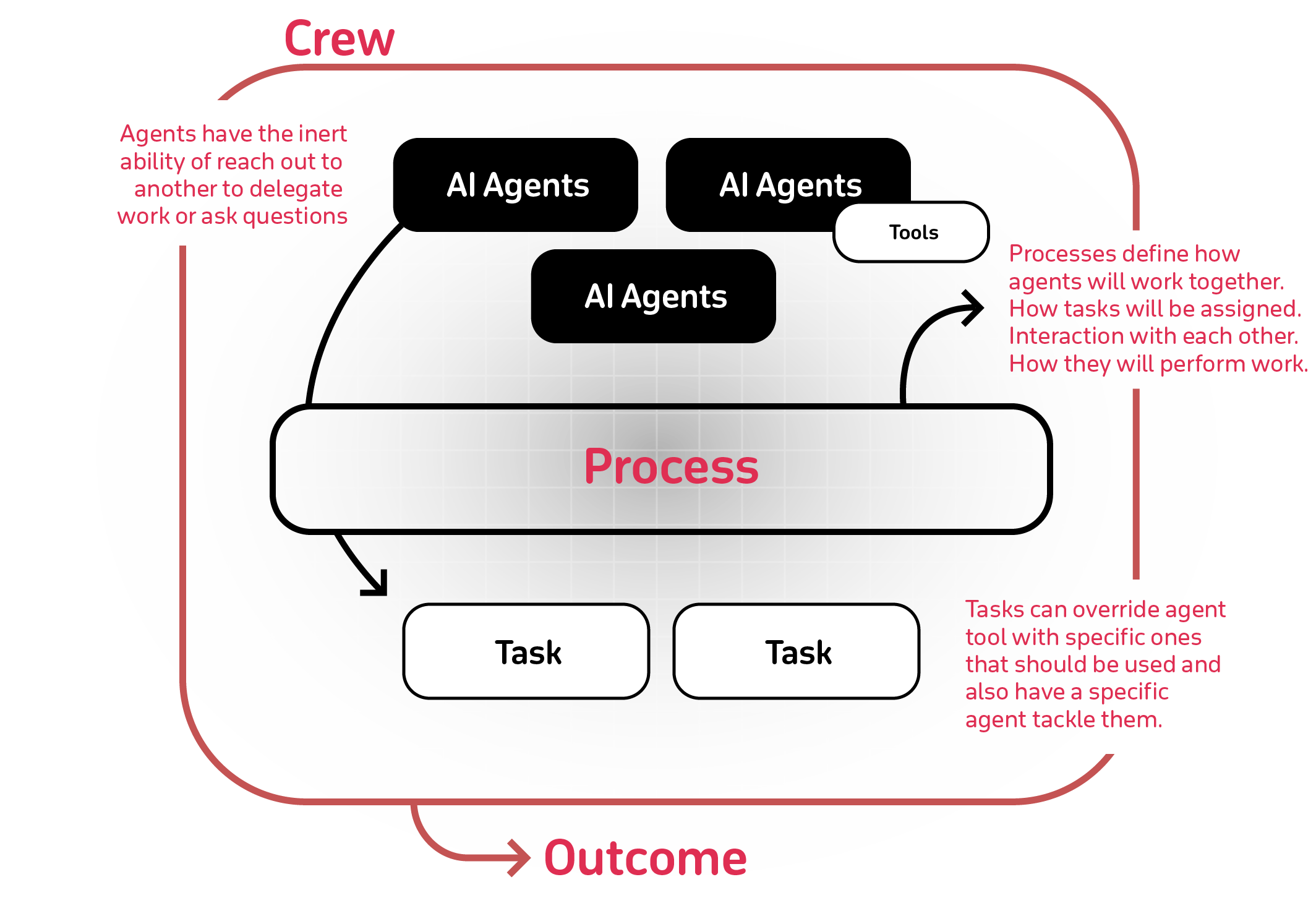

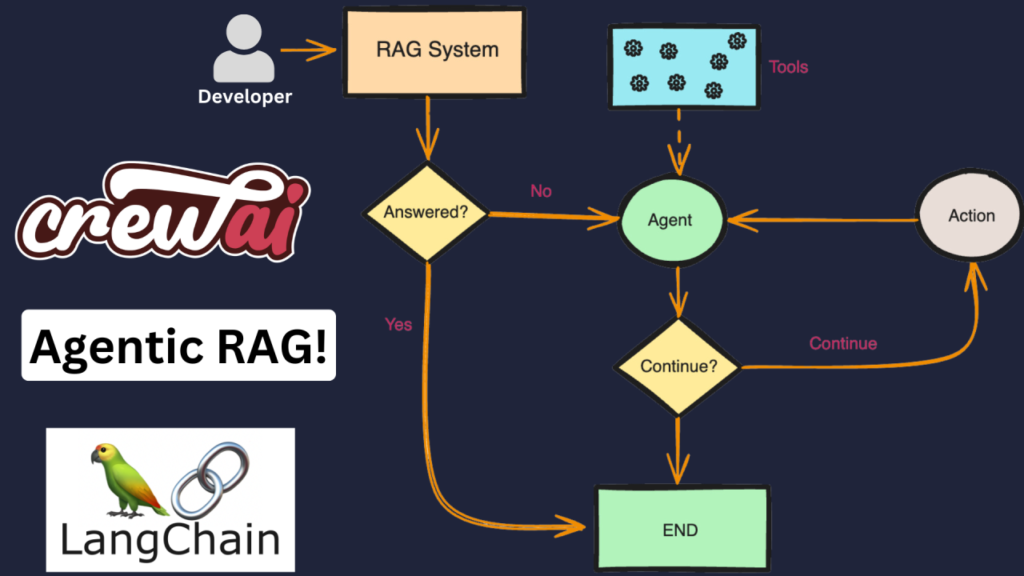
CrewAI is another popular platform designed for multi-agent collaboration.
It allows developers to create teams of AI agents that work together like employees in an organization.
Each agent has a specific role and responsibility.
Examples of agent roles include:
Before listing the roles, it is important to understand that role-based systems help distribute tasks efficiently.
Common agent roles include:
- researcher agent
- writer agent
- analyst agent
- manager agent
CrewAI helps coordinate these agents to achieve specific goals.
Use cases include:
- content creation automation
- research workflows
- business intelligence systems
4. Semantic Kernel
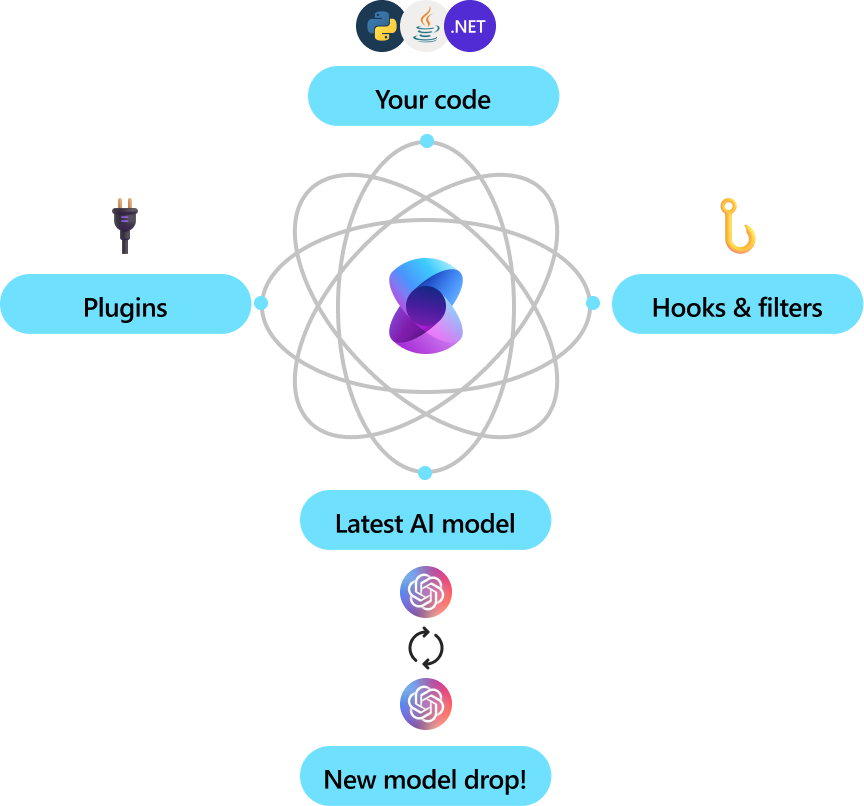
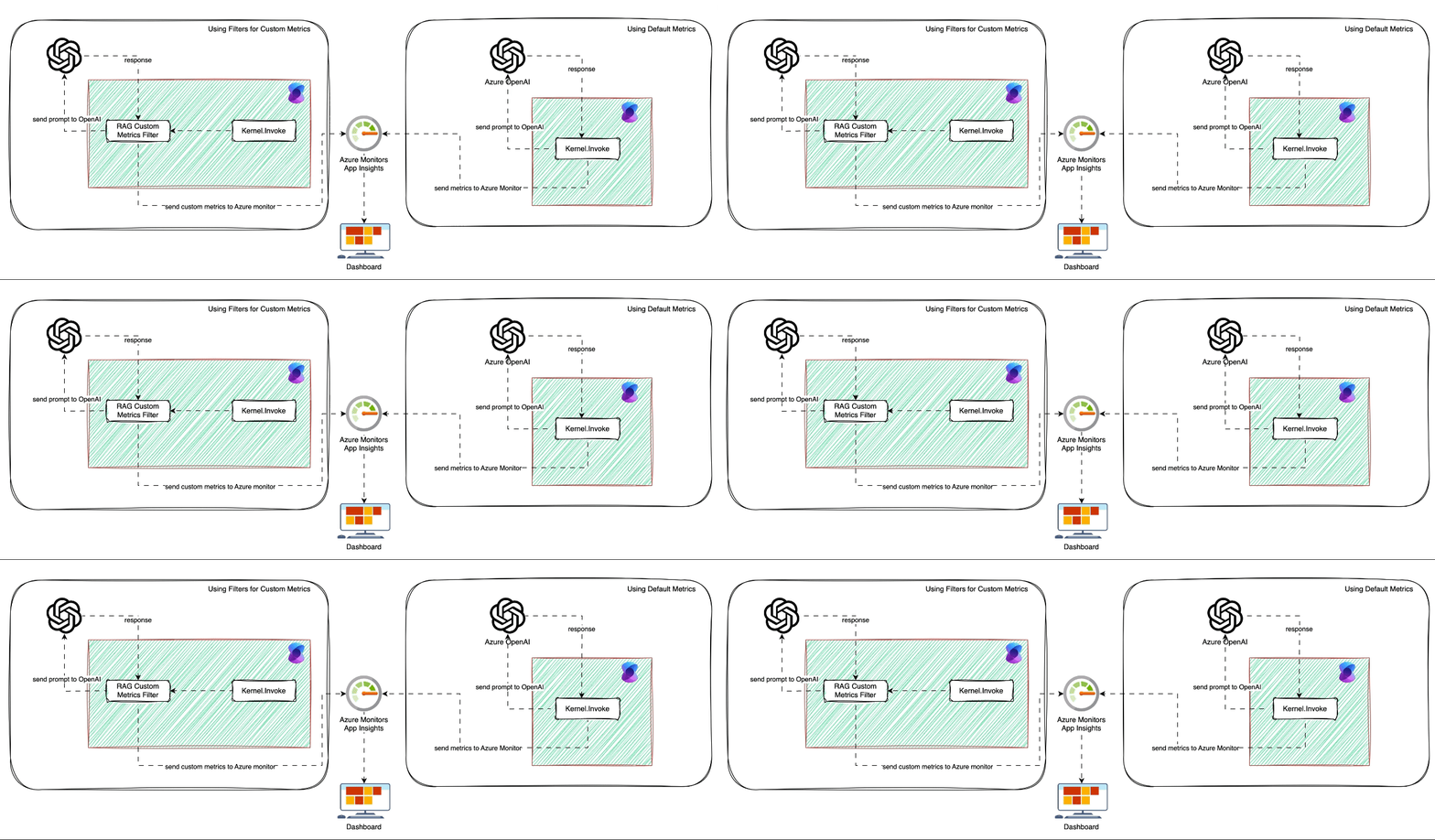
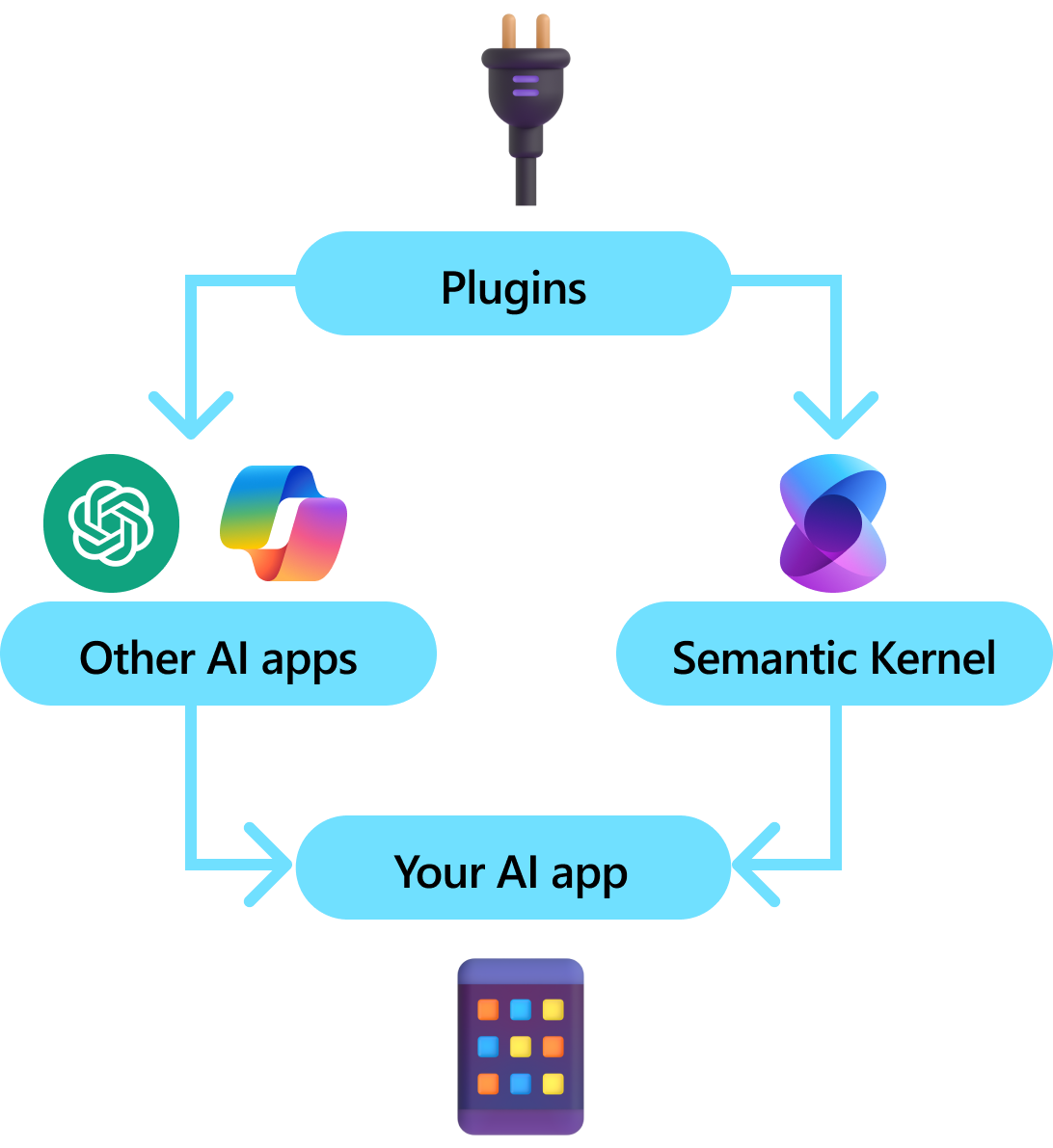
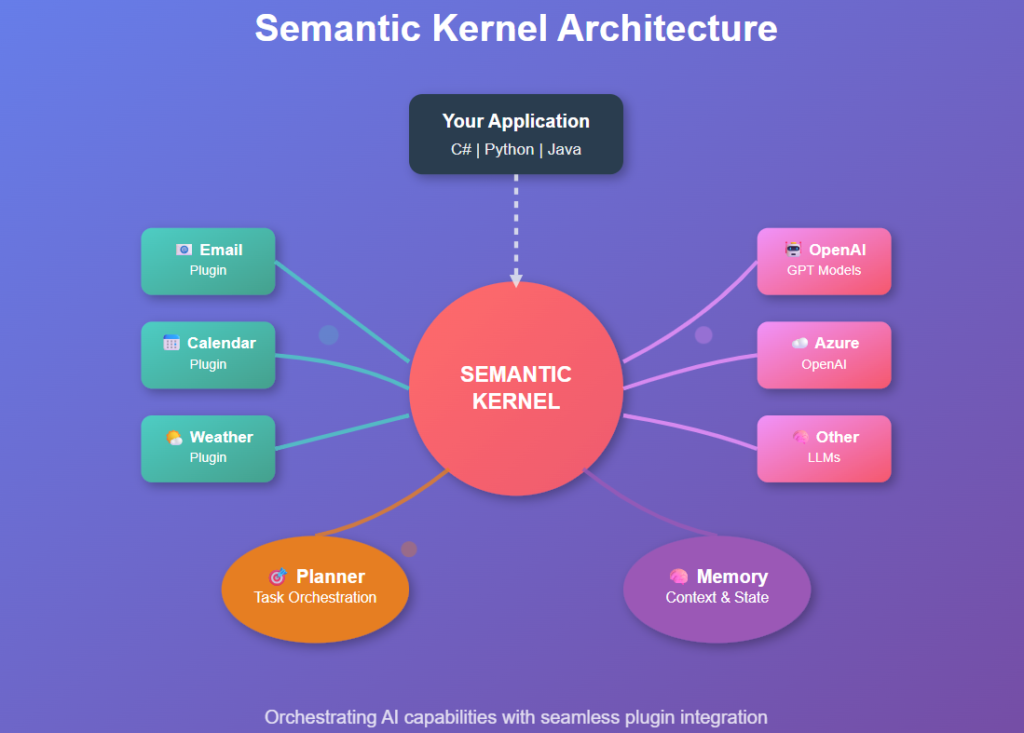
Semantic Kernel is a platform developed to integrate AI into enterprise applications.
It provides tools that allow developers to combine traditional programming with AI capabilities.
This platform is especially useful for large organizations.
Important features include:
Before listing them, it is important to note that Semantic Kernel focuses on enterprise-grade reliability.
Features include:
- plugin architecture for integrations
- AI orchestration tools
- memory management systems
- enterprise security features
Because of these capabilities, many enterprises use Semantic Kernel for internal AI automation.
5. AutoGPT
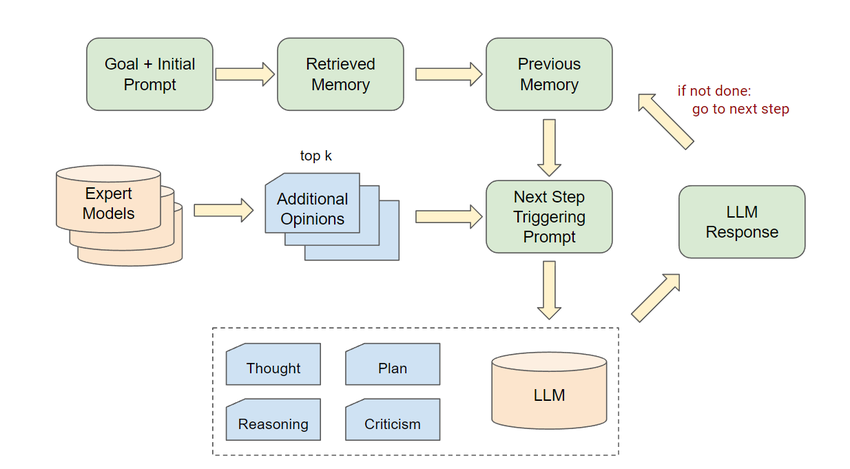
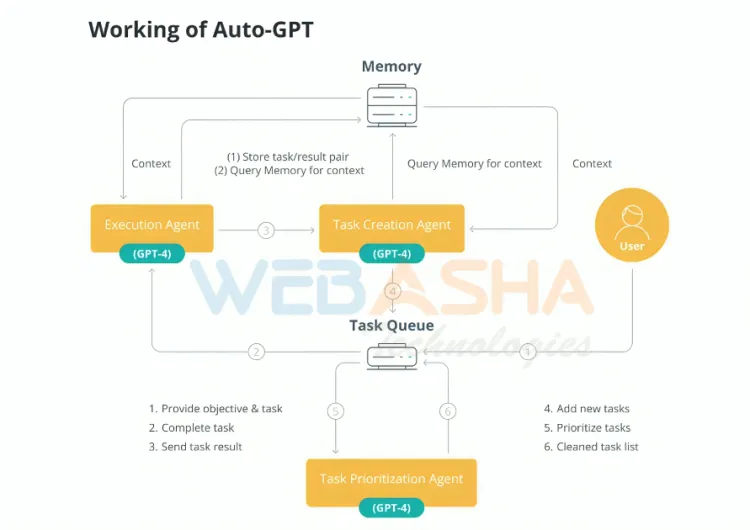

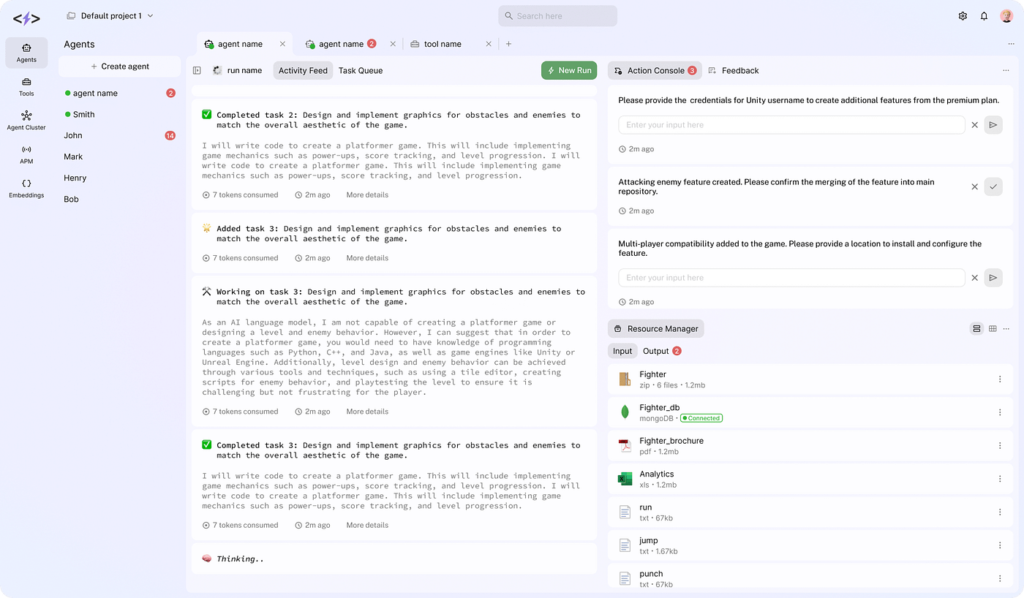
AutoGPT is one of the earliest open-source platforms designed for autonomous AI agents.
It allows users to create AI systems that can perform tasks independently.
Instead of manual instructions, users define a goal for the AI agent.
The AI agent then performs actions to achieve that goal.
Key features include:
Before listing the features, it is important to understand that AutoGPT focuses on autonomous AI behavior.
Features include:
- goal-based task execution
- automated planning
- workflow automation
- tool integrations
Because of its open-source nature, AutoGPT is popular among developers and researchers.
6. Flowise


Flowise is a visual AI development platform that allows users to build AI agents using a graphical interface.
Instead of writing complex code, developers can design workflows using drag-and-drop components.
This platform is especially useful for beginners.
Important features include:
Before listing them, it is important to understand that visual tools simplify AI development.
Features include:
- drag-and-drop workflow builder
- integration with LangChain
- easy deployment options
- API support
Flowise is ideal for small businesses and rapid prototyping.
7. Voiceflow
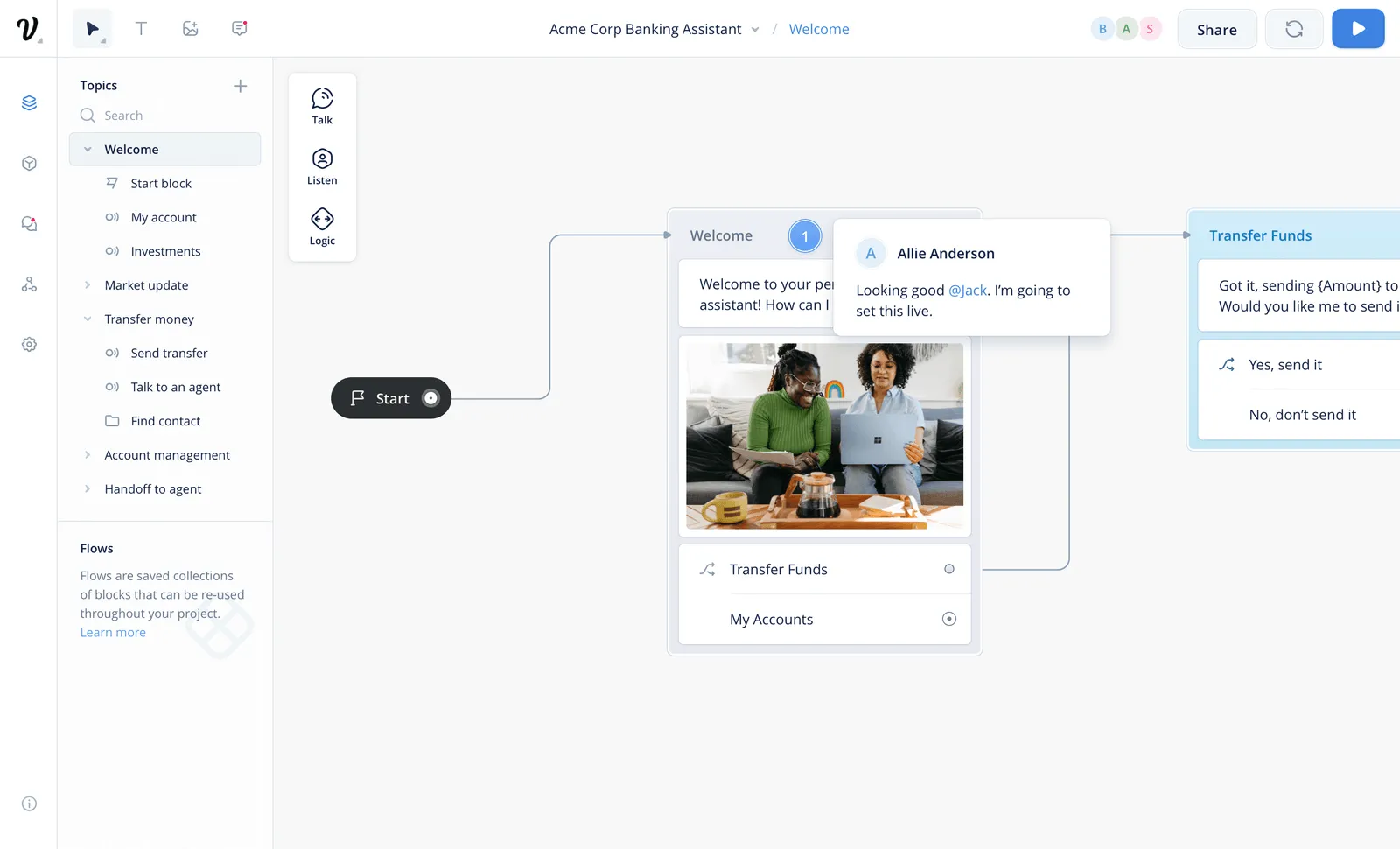

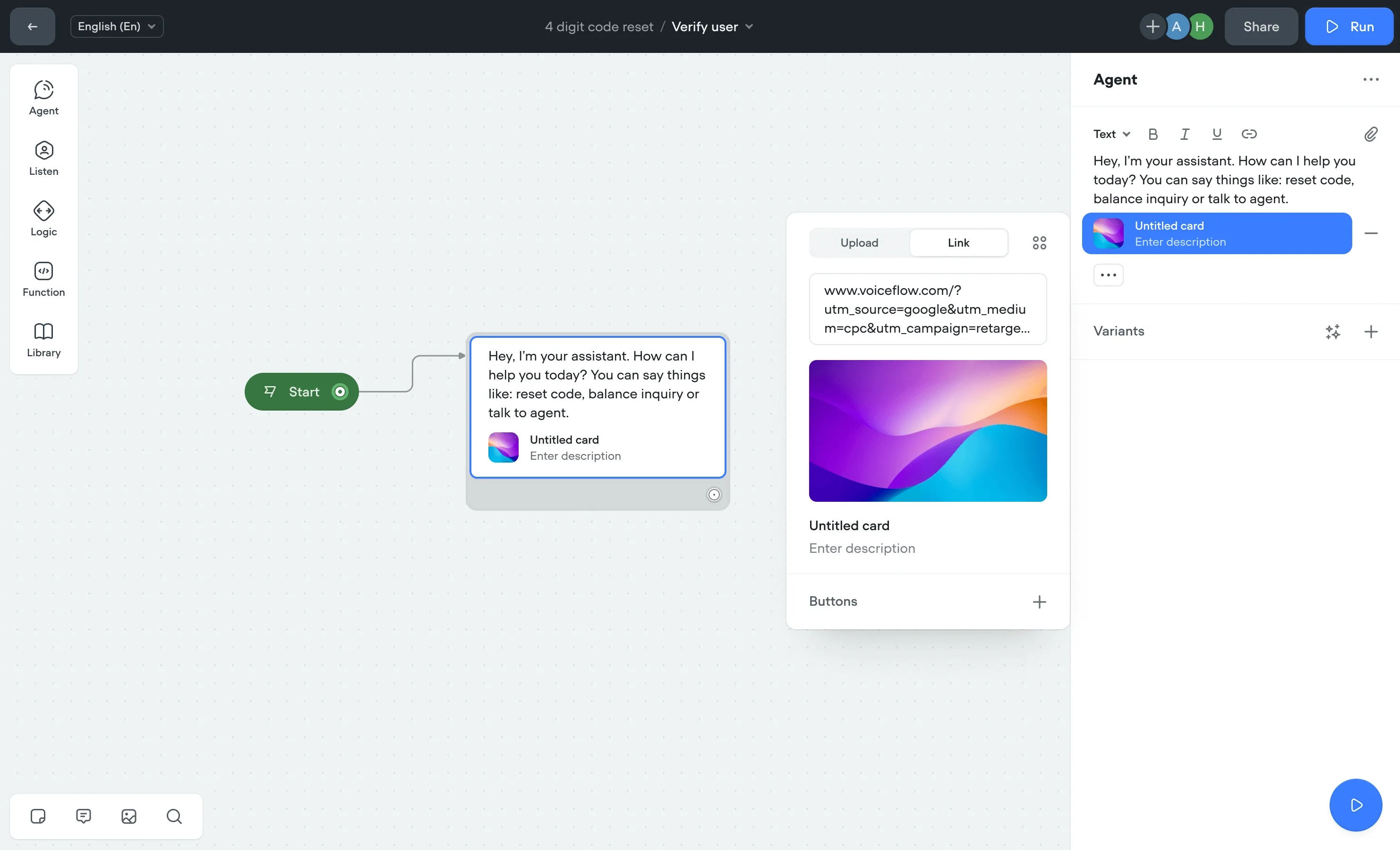
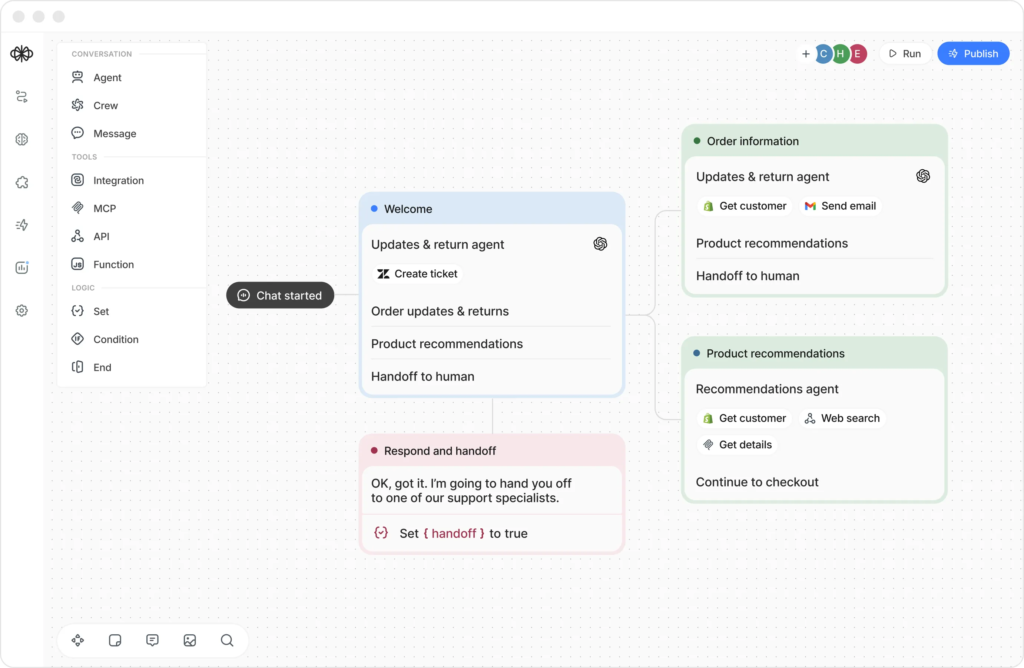
Voiceflow is widely used for building conversational AI systems such as chatbots and voice assistants.
It provides a visual interface for designing conversations.
Businesses use Voiceflow to create AI assistants for websites, apps, and devices.
Key features include:
Before listing the features, it is important to understand that Voiceflow focuses on conversational AI.
Features include:
- visual conversation builder
- chatbot testing tools
- API integrations
- deployment for websites and apps
Voiceflow is popular among companies building customer support bots.
Comparison of AI Agent Platforms
Different platforms serve different purposes.
Understanding their strengths helps developers choose the right tool.
| Platform | Best For | Skill Level |
|---|---|---|
| LangChain | advanced AI applications | advanced |
| AutoGen | multi-agent collaboration | advanced |
| CrewAI | AI team systems | medium |
| Semantic Kernel | enterprise automation | medium |
| AutoGPT | autonomous AI agents | medium |
| Flowise | visual AI development | beginner |
| Voiceflow | conversational AI | beginner |
How to Choose the Right Platform
Choosing the right AI agent platform depends on several factors.
Developers should evaluate their project requirements carefully.
Important considerations include:
Before listing them, it is important to understand that every project has unique requirements.
Factors include:
- project complexity
- developer experience
- business requirements
- integration needs
- budget constraints
Considering these factors helps select the best platform.
Future of AI Agent Platforms
AI agent platforms will continue evolving.
Future platforms will include advanced capabilities.
Expected innovations include:
Before listing them, it is important to understand that AI agents will become more autonomous and collaborative.
Future trends include:
- multi-agent collaboration ecosystems
- autonomous AI workforce systems
- AI decision-making platforms
- self-learning AI agents
These technologies will transform how businesses operate.
Benefits of Using AI Agent Platforms
AI agent platforms provide many benefits for businesses and developers.
These platforms simplify development and improve efficiency.
Major benefits include:
Before listing them, it is important to understand that automation and intelligence improve productivity.
Benefits include:
- faster AI development
- reduced development cost
- scalable AI applications
- improved automation
- better user experiences
Because of these benefits, AI agents are becoming widely adopted.
Challenges of AI Agent Development
Despite many advantages, there are also challenges.
Developers must carefully manage these challenges when building AI systems.
Common challenges include:
Before listing them, it is important to understand that responsible AI development is necessary.
Challenges include:
- data privacy concerns
- integration complexity
- system reliability
- ethical considerations
Addressing these challenges ensures safe and effective AI systems.
Conclusion
AI agents are becoming one of the most important technologies in modern software development. Businesses and developers are using them to automate workflows, improve productivity, and create intelligent applications.
Platforms such as LangChain, AutoGen, CrewAI, Semantic Kernel, AutoGPT, Flowise, and Voiceflow are leading the development of AI agents in 2026. Each platform offers unique features that support different use cases.
Choosing the right platform depends on the project requirements, technical expertise, and business goals. Developers should evaluate the capabilities of each platform before starting development.
As AI technology continues to advance, AI agent platforms will play a major role in shaping the future of automation and intelligent systems.
Read More Blog–The Best AI Tools for 2026
FAQs
1. What are AI agents?
AI agents are intelligent software systems that analyze data, make decisions, and perform tasks automatically.
2. Why are AI agent platforms important?
AI agent platforms simplify the process of building AI systems by providing tools for automation, integration, and workflow management.
3. Which platform is best for beginners?
Platforms like Flowise and Voiceflow are easier for beginners because they offer visual interfaces.
4. Which platform is best for advanced AI applications?
LangChain and AutoGen are commonly used for advanced AI systems.
5. Are AI agents used by businesses?
Yes, many businesses use AI agents for customer support, marketing automation, workflow management, and data analysis.