

Artificial Intelligence is changing how we live, work, and think. From writing content to answering questions and helping businesses, AI tools are now part of daily life. But with this fast growth, many people worry about safety, misuse, and loss of human control. This is where Anthropic AI becomes important.
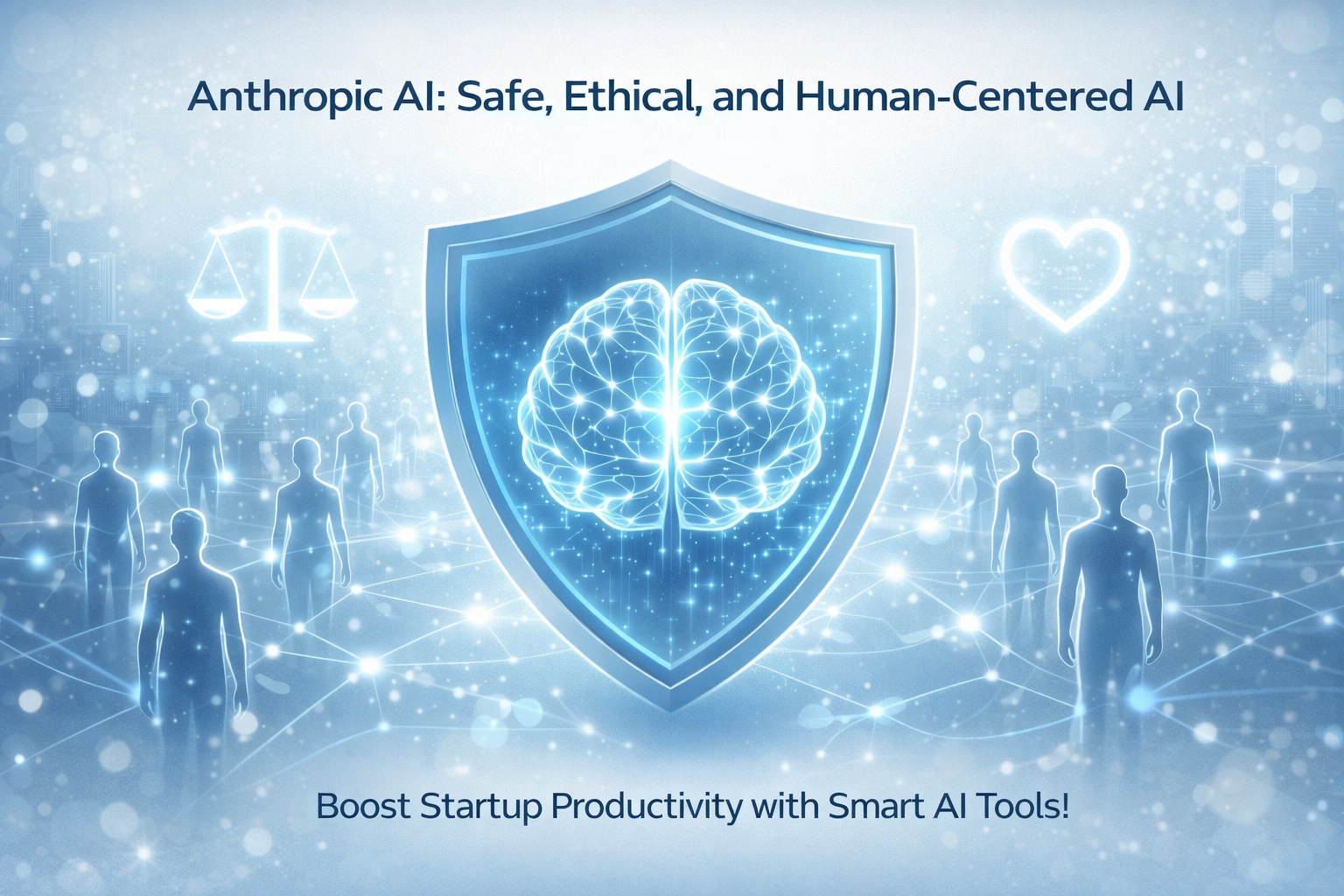
Anthropic AI is a company focused on building safe, ethical, and human-friendly artificial intelligence. Its main goal is not just to make AI smarter, but to make it responsible and trustworthy. Many users want to understand how Anthropic AI works, how it is different from other AI companies, and why it matters for the future.
This article helps you understand everything about Anthropic AI in a clear and honest way. If you are a student, business owner, content creator, or just curious about AI, this guide answers all related questions in simple language.
What Is Anthropic AI?
Anthropic AI is an artificial intelligence research company. It was created to develop AI systems that are safe, helpful, and aligned with human values.
AI is very powerful, but without safety rules it can create serious problems. Anthropic AI works to reduce these risks.
Key points about Anthropic AI include the following.
It is focused on AI safety.
It builds large language models.
It follows ethical AI principles.
It keeps humans in control of AI systems.
Who Founded Anthropic AI?
Anthropic AI was founded by former OpenAI researchers. They wanted to focus more deeply on AI alignment and safety.
Their experience in advanced AI research helped them build a strong ethical foundation.
Founders of Anthropic AI include:
Dario Amodei
Daniela Amodei
Other AI safety researchers
What Is Claude AI?
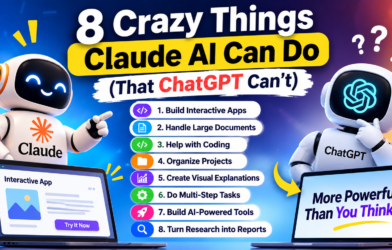
Claude AI is the main AI model developed by Anthropic AI. It is a large language model designed to communicate in a safe and respectful way.
Claude AI was created to help users while avoiding harmful or misleading answers.
Claude AI features include:
Understanding natural language
Giving polite and safe responses
Avoiding illegal or harmful content
Helping with writing, research, and explanations
What Makes Anthropic AI Different?
Anthropic AI is different because it focuses more on safety than speed.
Many AI companies race to release new features, but Anthropic AI prefers careful development.
Main differences include:
Strong focus on AI safety
Use of Constitutional AI
Lower risk of harmful outputs
More controlled and thoughtful responses
What Is Constitutional AI?
Constitutional AI is a system where AI follows a set of ethical rules, like a constitution.
Instead of only learning from data, the AI learns values and behavior rules.
Constitutional AI works by:
Following ethical guidelines
Self-correcting bad answers
Avoiding harmful advice
Respecting human values
Why AI Safety Is Important
AI safety is a serious concern today. Unsafe AI can spread false information or cause harm.
Since AI learns from human data, it can also learn human mistakes.
Risks of unsafe AI include:
Misinformation
Bias and discrimination
Privacy problems
Encouraging harmful behavior
Anthropic AI actively works to reduce these risks.
How Anthropic AI Is Used Today
Anthropic AI is used in many industries to help people work better.
AI is meant to support humans, not replace them.
Common uses include:
Content writing and editing
Customer service chatbots
Education and tutoring
Research assistance
Software development support
Anthropic AI for Businesses
Businesses need AI tools that are reliable and safe. Anthropic AI offers low-risk solutions.
Unsafe AI can damage trust and brand reputation.
Benefits for businesses include:
Reduced legal and ethical risk
Better customer communication
Safer AI deployment
Long-term reliability
Anthropic AI vs OpenAI
Anthropic AI and OpenAI both build advanced AI tools, but their goals differ.
Anthropic AI focuses more on safety, while OpenAI focuses more on performance.
Comparison points include:
Anthropic AI is more cautious
OpenAI is more creative
Claude AI avoids risky answers
ChatGPT allows broader responses
Advantages of Anthropic AI
Anthropic AI offers many benefits for users.
Key advantages include:
Strong ethical standards
Safer AI responses
Lower misuse risk
Clear focus on human values
Limitations of Anthropic AI
Anthropic AI also has some limitations.
Because of safety rules, it may feel restrictive.
Limitations include:
More controlled answers
Less creative freedom
Slower feature expansion
Future of Anthropic AI
The future of Anthropic AI looks strong as demand for safe AI grows.
Trust will become more important as AI becomes more powerful.
Future expectations include:
Improved Claude models
Better AI alignment
More business adoption
Support for AI regulations
Why Anthropic AI Matters to You
AI affects daily life more than most people realize.
Safe AI protects users and society.
Reasons it matters include:
Safer online experiences
Less misinformation
Ethical technology growth
Better trust in AI systems
Frequently Asked Questions (FAQs)
Anthropic AI is a company that builds artificial intelligence tools that are safe, ethical, and helpful for humans.
Who owns Anthropic AI?
Anthropic AI is a private company founded by former AI researchers. It is supported by major investors.
What is Claude AI used for?
Claude AI is used for writing, research, coding help, education, and customer support.
Is Anthropic AI better than OpenAI?
Anthropic AI is better for safety and ethics, while OpenAI may be better for creativity. It depends on user needs.
Is Anthropic AI free?
Some versions or access options may be free, while advanced features usually require payment.
Is Anthropic AI safe to use?
Yes, Anthropic AI is designed with strong safety rules and ethical guidelines.
Can Anthropic AI replace humans?
No, Anthropic AI is designed to assist humans, not replace them.
Final Thoughts
Anthropic AI is shaping the future of responsible artificial intelligence. Its focus on safety, ethics, and human values makes it highly important in today’s AI-driven world. As AI continues to grow, Anthropic AI helps ensure that technology remains safe, trustworthy, and beneficial for everyone.
Read More Blog–Building an AI-First Startup Culture